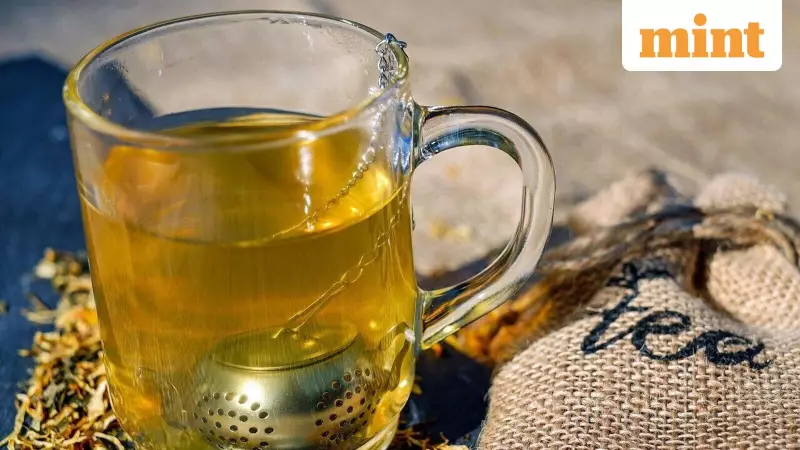
As winter's chill descends upon India, a time-honoured herbal companion makes its seasonal return to kitchens and cups. Beyond its familiar role as a post-meal palate cleanser, the humble betel leaf, or paan, is steeped in history and brewed into a warming tea believed to offer a host of wellness benefits.
A Leaf Steeped in Millennia of History
The story of betel leaf in India is not a recent fad but a narrative woven through centuries. Historical evidence suggests its use dates back to approximately 400 BC. Its significance is firmly recorded in foundational Ayurvedic scriptures. Texts like the Charaka Samhita and Sushruta Samhita, compiled between 75 AD and 300 AD, explicitly mention the practice of consuming betel leaf, particularly after meals.
By the 13th century, chewing paan had become a marker of aristocracy, prevalent among Indian royalty and elite court circles. The famous European explorer Marco Polo himself noted this custom during his travels, observing it as a familiar ritual among kings and nobles. Over time, the focus shifted from mere social custom to appreciating the leaf's practical virtues, especially for digestion and overall well-being when consumed in its pure, unadulterated form.

Modern Science Meets Ancient Wisdom
Contemporary research is beginning to validate what traditional practices have long suggested. Studies, including those published in 2022, highlight the leaf's antibacterial, antioxidant, and anti-inflammatory properties. Nutritionally, betel leaf is a source of vitamin C, several B vitamins, carotene, and calcium.
This profile underpins its traditional uses. During winter, when heavier, richer meals are common, the leaf is traditionally valued for aiding digestion. It is also incorporated into gentle detox routines, supporting the body's natural waste-elimination processes without harsh cleansing methods.
Brewing Your Own Cup of Tradition
Transforming this ancient leaf into a comforting winter tea is a simple process. The recipe requires minimal ingredients, making it easy to prepare at home.
You will need:
- 3 fresh betel leaves (paan)
- 1 teaspoon of fennel seeds or ajwain (carom seeds)
- 1.5 cups of water
- Jaggery or honey to taste (optional)
Method: Tear the betel leaves into pieces. In a saucepan, combine them with the fennel or ajwain seeds and water. Gently simmer the mixture for seven to ten minutes. Strain the liquid into a cup. For a touch of sweetness, you can stir in a small amount of jaggery or honey according to your preference. The result is a warm, aromatic herbal infusion.
Key Benefits and a Note on Moderation
Drinking betel leaf tea is primarily associated with easing digestive discomfort, such as bloating, thanks to its carminative properties. Its antibacterial and anti-inflammatory nature may also offer mild support for respiratory health, which is often challenged during colder weather.
However, as with most herbal supplements, moderation is crucial. Experts recommend viewing betel leaf tea as a seasonal wellness supplement rather than a daily necessity. It is best enjoyed as part of a balanced approach to health during the winter months.
The journey of the betel leaf from ancient Ayurvedic texts and royal courts to the modern teacup is a testament to its enduring place in Indian culture. This winter brew represents a living tradition, connecting contemporary wellness seekers with a practice that has warmed and nurtured generations.