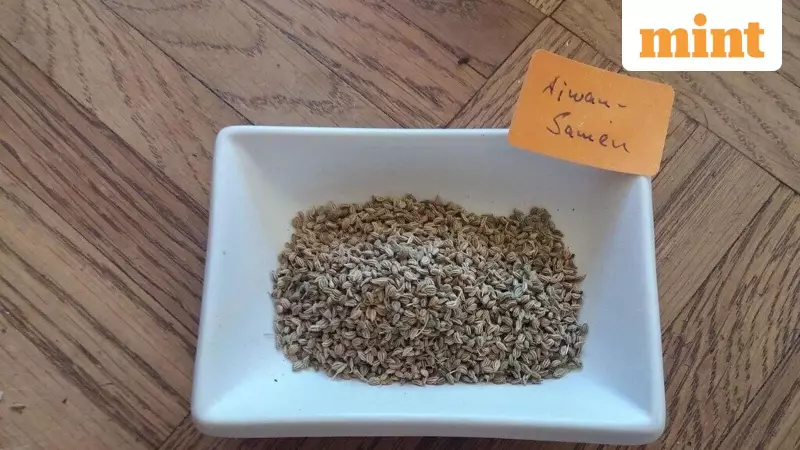
In countless Indian kitchens, a small jar of ajwain, or carom seeds, holds a place of quiet importance. Resembling cumin or fennel but with a distinct sharp, peppery aroma, these seeds are rarely consumed raw. Instead, they are typically roasted, boiled, or tempered in hot oil, transforming into a potent ingredient for both culinary and medicinal purposes. Among its simplest and most revered forms is ajwain water, a humble yet powerful homebrew offered at the first sign of a troubled stomach or a nagging cough.
Why Ajwain Water Works: More Than Just an Old Wives' Tale
This traditional remedy is not magic, but its efficacy is rooted in science. Ajwain contains active compounds, most notably thymol, which directly influence digestive processes and respiratory function. Thymol possesses mild antiseptic and anti-spasmodic properties, making ajwain water a trusted first-aid solution in Indian households for generations.
Eight Key Health Benefits of Drinking Ajwain Water
1. A Digestive Powerhouse: The most celebrated use of ajwain water is for settling an upset stomach. Consumed on an empty stomach in the morning, it kickstarts digestion, effectively reducing gas, acidity, bloating, and abdominal cramps.

2. Regulator for an Unpredictable Gut: For those with inconsistent digestion, regular intake can help create balance. It is particularly useful when bowel movements become irregular or digestion feels sluggish over several days.
3. Relief from Respiratory Troubles: The thymol in ajwain acts against mild infections. During colds, sore throats, or initial flu symptoms, warm ajwain water helps soothe the throat, loosen congestion, and support the body's natural recovery process, though it should not replace prescribed medicine.
4. Support for Heart Health: Many believe that drinking ajwain water regularly aids in managing bad cholesterol levels. It is considered a supportive measure for heart health over the long term, especially when combined with a sensible diet.
5. Eases Breathing Difficulties: The remedy is often turned to during seasonal changes. It helps relax air passages, clear mucus, and make breathing easier for those experiencing congestion.
6. Aid for Heavy Meals: This is precisely why ajwain is commonly added to fried snacks, parathas, and dals. It helps the body process rich, heavy foods and minimizes post-meal bloating.
7. Potential Blood Pressure Management: Compounds in ajwain are known to help relax blood vessels, which is why it is frequently discussed as a natural supportive element for maintaining healthy blood pressure.
8. Soothes Stomach Ulcers and Pain: In traditional practice, ajwain has been used to calm irritation in the stomach lining and provide relief from discomfort associated with ulcers.
How and When to Prepare Ajwain Water Correctly
For best results, most people drink ajwain water first thing in the morning on an empty stomach. The standard preparation method is straightforward.
The Classic Method: Soak one teaspoon of clean, high-quality ajwain seeds in a cup of water overnight. In the morning, boil the water with the seeds for a few minutes. Strain the liquid and drink it warm. Some prefer to lightly roast the seeds before soaking, as this mellows the harsh flavor and enhances the aroma.
One crucial rule: Stick to one cup daily. This is not a case where more is better. Overconsumption can irritate the stomach lining, achieving the opposite of the intended effect.
Important Precautions and Who Should Avoid It
While beneficial for many, ajwain water is not suitable for everyone. Individuals with active stomach ulcers, kidney issues, or those who are pregnant should consult a doctor before making it a part of their daily routine. Used wisely, this old-school remedy continues to prove its worth, seamlessly fitting into modern wellness practices as a simple, natural aid for common ailments.
Frequently Asked Questions (FAQs):
Can anyone drink ajwain water? No. People with ulcers, kidney conditions, and pregnant women should seek medical advice before consumption.

Is ajwain water truly useful for digestion? Yes. It is widely recognized for its ability to reduce bloating, gas, and stomach cramps by promoting healthy digestive function.