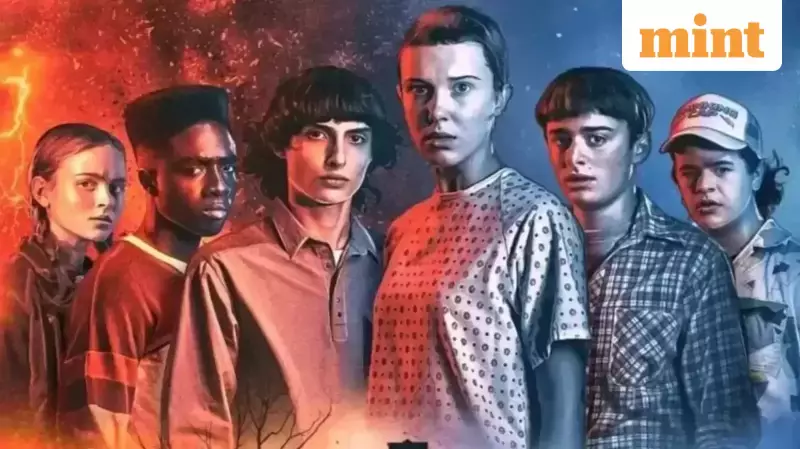
The dawn of 2026 in India was marked not just by New Year resolutions but by a massive cultural event: the simultaneous streaming of the highly anticipated finale of Netflix's Stranger Things Season 5. As fans rushed to their screens at 6:30 AM IST on January 1, social media erupted, comparing the moment to the finales of Game of Thrones and Harry Potter. However, the buzz was no accident; it was the culmination of a meticulously planned, months-long strategy by Netflix that kept the nation engaged.
A Masterclass in Sustained Hype
Netflix's decision to split the fifth and final season into three separate releases proved to be a marketing masterstroke. Instead of a binge-and-forget model, the staggered drops in November, December, and the New Year's Day finale created sustained conversation for over two months. Data from influencer marketing agency Qoruz reveals the scale: approximately 13,000 influencers with over 1,000 followers posted more than 29,000 Instagram updates, amassing nearly 152 million views.
Aditya Gurwara, co-founder of Qoruz, explained the psychology behind the success. "This strategy provided enough content to satisfy the three-year wait but cleverly avoided complete saturation. It stretched the engagement, keeping viewers hooked for the next installment. The social media hype also generated significant FOMO (fear of missing out), especially among Gen Z, giving them time in the gaps to catch up on previous episodes," he noted.

Brands Ride the Wave with Immersive Tech
Capitalizing on the show's top-ranking status on Netflix India since November, brands swiftly integrated themselves into the phenomenon. The most innovative example came from Swiggy Instamart. Partnering with Netflix, they launched the 'Insta Strange' campaign—a special section within their app that allowed users to add items to their cart using hand gestures, without touching the screen.
This technology, which used the phone's camera to track movements, was a direct nod to the telekinetic powers of the beloved character Eleven. Beyond this immersive tech integration, the campaign included co-created merchandise like mousepads and keychains. Abhishek Shetty, Head of Marketing at Swiggy Instamart, reported that their social media campaign crossed 10 million views within 24 hours, attributing success to the show's dual appeal to millennials and Gen Z.
Netflix India amplified the excitement with a massive multi-city campaign, including a complete metro takeover. The Delhi Metro Yellow Line was wrapped in iconic series imagery, while Mumbai's Aqua Line featured dynamic videos, blurring the lines between the fictional town of Hawkins and everyday Indian commutes.
Revealing Gaps and Grassroots Enthusiasm
Despite the local success, the global comparison highlighted unmet demand in the Indian market. Nipun Jain, co-creator of trivia channel Arey Pata Hai, shared his experience from a fan event in Bangkok. "The queue was 2 kilometres long, taking 4 hours just to enter. Fans there had official merchandise, which is still largely inaccessible here. The finale also saw theatrical releases in some global markets, which didn't happen in India," he observed.
This gap, however, did not dampen local enthusiasm. Demand spilled over into private screenings and watch parties beyond metros. The Loft, a private screening theatre in Coimbatore, witnessed unprecedented bookings. Founder Kailas Sampathkumar stated they operated beyond regular hours due to high demand, with audiences booking multiple slots to binge episodes together. The viewer demographic ranged from school students to IT professionals in their 30s.
The social impact was quantifiable. Influencer Devansh Khamboj's themed watch party, complete with red attire and 'Demogorgon' snacks, generated high online engagement. Notably, attendee Priyanshu Goel, a non-creator, saw his Stranger Things-related content garner ten times the engagement of his regular posts, demonstrating the finale's power as a reach multiplier for all.

In conclusion, the finale of Stranger Things was more than a streaming event; it was a case study in modern marketing, brand integration, and community-driven fandom in India. It successfully leveraged staggered content, immersive technology, and social dynamics to create a lasting impact, while also clearly outlining the commercial opportunities that remain untapped for future properties.