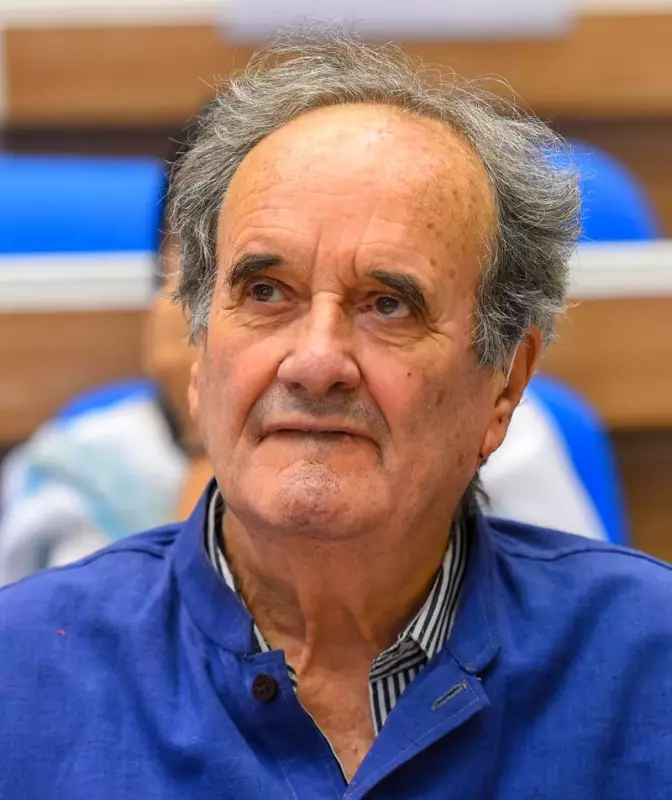
The End of an Era: Sir Mark Tully, the Voice That Defined India for the World, Is No More
The world of journalism and broadcasting has lost one of its most revered figures with the passing of Sir Mark Tully. The legendary broadcaster, whose name became synonymous with insightful and empathetic reporting on India, has left an indelible void. For over five decades, Tully served as the BBC's Bureau Chief in New Delhi, crafting narratives that went beyond headlines to capture the soul of a nation in transition.
A Life Dedicated to Unraveling the Indian Tapestry
Born in Calcutta (now Kolkata) in 1935, Mark Tully's connection with India was both professional and profoundly personal. He joined the British Broadcasting Corporation in 1965 and quickly established himself as a journalist of exceptional caliber. His reporting was not merely about relaying events; it was an exercise in deep understanding and contextual storytelling. Tully had an uncanny ability to translate the complexities of Indian politics, society, and culture for a global audience, making him an indispensable bridge between India and the world.
Throughout his illustrious career, Tully covered some of the most pivotal moments in modern Indian history. His voice became a trusted companion during times of national significance, from political upheavals and economic reforms to social movements and cultural milestones. His distinctive, measured delivery and thoughtful analysis earned him immense respect across the subcontinent and beyond.

Beyond the Microphone: An Author and a Chronicler
Sir Mark Tully's influence extended far beyond his radio broadcasts. He was a prolific author, penning several acclaimed books that delved into the heart of India's diverse realities. Works such as No Full Stops in India and India in Slow Motion, co-authored with his partner Gillian Wright, offered nuanced perspectives on the country's challenges and triumphs. These publications cemented his reputation as not just a reporter, but a chronicler of the Indian experience.
Even after his formal retirement from the BBC in 1994, Tully remained an active and influential voice in Indian media. He continued to contribute columns, participate in discussions, and host programs, sharing his wisdom with new generations of journalists and listeners. His commitment to journalistic integrity and his deep affection for India never wavered.
A Legacy of Empathy and Unparalleled Insight
The passing of Mark Tully marks the end of a golden era in broadcast journalism. He was a recipient of numerous prestigious awards, including the Padma Bhushan, one of India's highest civilian honors, which he received in 2005. This recognition underscored the unique place he held in the hearts of the Indian people—a foreign correspondent who became an integral part of the nation's media landscape.
Tully's approach to journalism was characterized by a rare empathy and a refusal to resort to sensationalism. He believed in telling stories with depth, context, and humanity, principles that inspired countless journalists in India and abroad. His work demonstrated that true understanding requires patience, curiosity, and a genuine respect for the subject.
As tributes pour in from colleagues, admirers, and leaders across the globe, it is clear that Sir Mark Tully's legacy will endure. He was more than a broadcaster; he was a storyteller who helped the world listen to India. His voice may have fallen silent, but the echoes of his contributions will resonate for years to come, reminding us of the power of journalism to connect, enlighten, and humanize.