From Page to Screen: Indian TV Shows That Originated as Bestselling Novels
Indian television has consistently delivered captivating storylines that resonate with audiences across the nation. From the comedic brilliance of Sarabhai vs Sarabhai to the thrilling investigations in CID, and the emotional depth of Bade Acche Lagte Hain and Yeh Hain Mohabbatein, the variety is truly endless. Whether you seek a gripping thriller, a heartwarming family drama, or a lighthearted comedy to unwind after a long day, there is a serial tailored for every viewer. However, many fans might be surprised to learn that several of these beloved shows were originally bestselling novels, masterfully reimagined for television.
Taarak Mehta Ka Ooltah Chashmah: A Literary Sitcom Phenomenon
Based on the weekly column Duniya Ne Undha Chasma by renowned journalist Tarak Mehta, this iconic television sitcom stands as one of India's longest-running shows. Set in the vibrant Gokuldham society of Mumbai, the narrative revolves around the daily lives and humorous interactions of its residents. The central character, Jethalal, portrayed brilliantly by Dilip Joshi, is a businessman who operates Gada Electronics. His secret infatuation with Babita Ji and his often naive perspective on life frequently land him in comical predicaments. The show's charm lies in watching how Jethalal navigates these challenges with the assistance of his best friend, Taarak Mehta. His lively exchanges with his strict father, his Garba-loving wife Daya, his rebellious son Tapu, and his colleagues Natu Kaka and Magan are guaranteed to evoke laughter and joy.
Chandrakanta - Ek Mayavi Prem Gatha: A Fantasy Epic from Literature
This enchanting fantasy drama, starring Madhurima Tuli and Vishal Aditya Singh in lead roles, is adapted from the novel of the same name by Devaki Nandan Khatri. The story follows Chandrakanta, played by Tuli, and Veerendra Pratap, portrayed by Singh, who belong to the royal families of Suryagarh and Vijaygarh respectively. Despite the intense political tensions between their kingdoms, they dream of building a life together. Their journey takes a dramatic turn when they uncover a long-buried secret that reveals the deeper, mystical roots of the enmity between their families, ultimately leading them to a divine connection with the Hindu God, Vishnu.

Yeh Hai Mohabbatein: A Tale of Custody and Second Chances
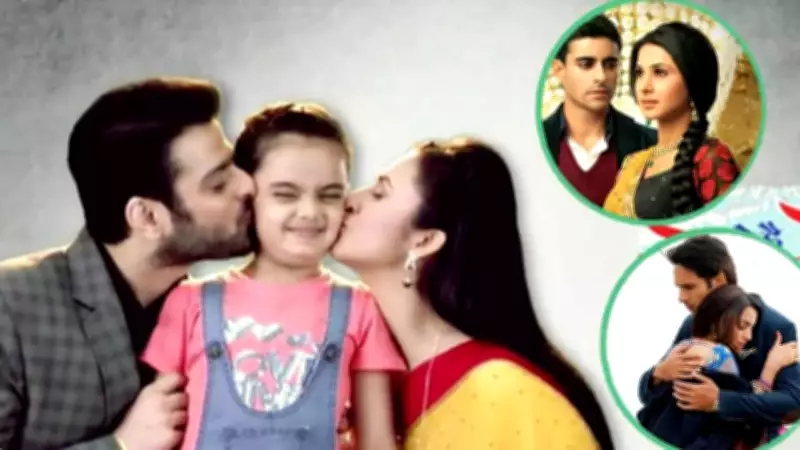
Delhi-based Raman Bhalla is a single father striving to raise his children, Roohi and Aditya, after his ex-wife Shagun leaves him for her boss, Ashok. His primary goal is to secure custody of his kids, and his hope is rekindled when he meets Ishita, a divorced Tamilian dentist. Based on Manju Kapur's acclaimed novel Custody, this serial delves into the intricate dynamics of familial relationships, the often-unseen aspects of marital life, and the complexities of second-chance romances. It poignantly addresses the challenges of co-parenting in the modern world, leaving viewers emotionally moved.
Pardes Main Hain Mera Dil: Exploring Identity and Immigration
Naina, a small-town girl with dreams of settling abroad, is thrilled when her family arranges her marriage to NRI Raghav. However, she soon faces a cultural shock that forces her to question her identity and self-worth. Adapted from Manju Kapur's novel Immigrant, this story follows Naina's reluctant transformation as she grapples with themes of identity crisis, racism, emotional labor, and privilege. The narrative also touches on endurance, loss, and betrayal, making it a heartfelt exploration of personal growth and resilience.
Saraswatichandra: A Classic Love Story with Societal Depth
Directed by Sanjay Leela Bhansali, Saraswatichandra is based on the novel by Gujarati writer Govardhanram Tripathi. It tells the story of Saras, an aristocratic individual, and Kumud, a docile woman, who find solace in each other despite their class differences. Saras, haunted by childhood trauma, struggles to express his feelings for Kumud, leading to a series of misunderstandings. Beyond love and loss, the show sheds light on themes of class divide, envy, and societal stereotypes, offering a rich, layered narrative.

These adaptations highlight the creative synergy between literature and television, bringing timeless stories to life for a broader audience. They not only entertain but also provoke thought and reflection, proving that great storytelling transcends mediums.