South Indian Exhibitors Unite for Standardized Eight-Week Theatrical Window
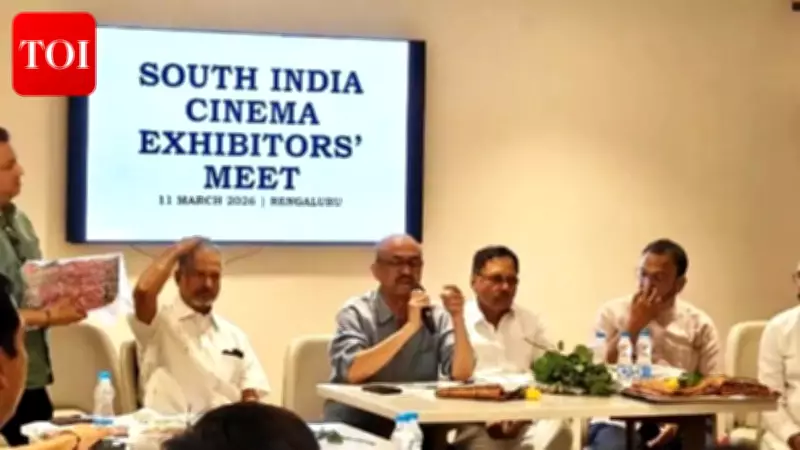
The long-running debate over extending the OTT release window has intensified, with exhibitors from all five South Indian states—Tamil Nadu, Kerala, Karnataka, Andhra Pradesh, and Telangana—convening to propose a standardized eight-week theatrical window before films transition to digital platforms. This move aims to revitalize cinema attendance, which has seen a significant decline in recent years.
Exhibitors' Clear Intent: Reviving Cinema Culture
For exhibitors, the proposal's intent is unequivocal: to bring audiences back to cinemas. While the practical implementation details are still being finalized, the industry is actively engaging with experts to assess the potential impacts of this strategic shift.
Industry Calls for Unified South Indian Consensus
Producer and distributor G Dhananjheyan emphasizes the necessity of a collective approach. "The Tamil Film Producers Council, along with the Tamil Film Active Producers Association, sought to consult other language film chambers to establish a common stance," he explains. "Given that OTT platforms currently acquire content across all four South Indian languages as a package, unilateral decisions are impractical. A consensus among South industries is essential before communicating the OTT window and implementation timelines to theatre owners and distributors."

Potential Boost for Small and Mid-Budget Films
KL Damodar Prasad, president of the Telugu Film Chamber of Commerce (TFCC), highlights that the extended window could particularly benefit mid-range and smaller films. "While big-star films attract audiences through fan bases and scale, mid-budget and smaller films suffer more from declining theatre footfall," he notes. "OTT platforms are no longer acquiring such films as aggressively as during the pandemic, making theatrical success crucial. Implementing this proposal could enhance theatre attendance and provide these films with a better box office opportunity."
Uneven OTT Gains and Theatre Survival Struggles
Sumesh Joseph, secretary of the Film Exhibitors United Organisation of Kerala (FEUOK), points out that OTT benefits have not been evenly distributed. "No producer in the Malayalam industry has truly gained from OTT; major profits go to actors who now claim a significant revenue share instead of fixed remuneration," he states. "Recent revenue-sharing demands, like the 60-40 model proposed for Patriot, were rejected. This step is vital—exhibitors are barely surviving."
Theatrical Experience Versus OTT Convenience
Suniel Narang, former TFCC chief, underscores the value of the theatrical experience. "People spend ₹1,000-₹1,500 at restaurants for half an hour, yet a ₹200 theatre ticket offers three hours of air-conditioned entertainment," he argues. "Theatres remain empty as audiences wait for OTT releases. Extending the OTT window would naturally encourage returns to cinemas, allowing quality films to build word-of-mouth and repeat viewings."
Enforcement Failures and Existing Agreements
Exhibitors report that promises of a 42-day OTT window are often not honored, exacerbating industry challenges. Sumesh Joseph explains, "The lack of a legal framework has disrupted balance. Producers in Kerala file affidavits committing to a 42-day window, yet most films premiere online within 30 days, undermining theatres."
Producers Weigh Economic Realities
As exhibitors advocate for longer theatrical runs, producers approach the economics with caution. Producer Sameer Bharat Ram states, "It all comes down to mathematics. There are pros and cons to both arguments. OTTs question paying a premium for films already in the market for two months." He stresses the need for balance: "Earlier, the bet was theatrical; OTT trends changed the ecosystem. In a healthy trade system, everyone—producer, theatre owner, OTT buyer, overseas buyer—should profit."

Audience Mindset Shift
Many audiences now skip average or moderately successful films in theatres, anticipating OTT releases within weeks. Suniel Narang observes, "The mindset is often, 'Why go to the theatre if it will soon be available online?' This behavior further pressures the theatrical model."
The proposal for an eight-week theatrical window represents a critical juncture for South Indian cinema, balancing traditional exhibition with digital evolution to foster a sustainable industry future.