Adivasi Storytellers Take Control of Their Narrative
For decades, the portrayal of Adivasi communities in Indian cinema has been plagued by caricatures, blackface, and stereotypical songs like 'jhinga la la'. However, a powerful new wave of cinema is emerging, driven by Adivasi storytellers themselves. They are decisively reclaiming the screen to present authentic and nuanced stories that reflect their real lives, cultures, and contemporary challenges.
Nehma's Story: Where Tradition Meets Artificial Intelligence
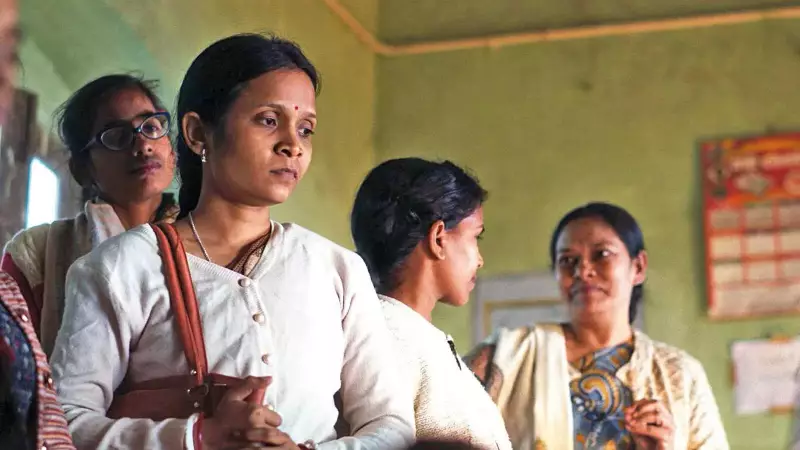
A poignant example of this new narrative is found in the film centered on an AI data lab. The story follows Nehma, an Oraon Adivasi woman from a remote village in Jharkhand. After a divorce, she returns to her village and takes up a job to support her children. Her work involves training complex algorithms at an AI data center, where she tags images and videos.
In a deeply moving scene, Nehma completes a CAPTCHA test that features a porcupine. This image stirs a powerful memory of her inherent kinship with forest creatures, highlighting the connection between her traditional world and her modern job. In another act of quiet rebellion, she secretly uploads videos of her own daughter playing in the village. Her goal is to help the artificial intelligence learn how to correctly and authentically depict a tribal woman from her region, countering the biased data it may have been trained on.

Challenging Prejudice and Redefining AI's Future
The film does not shy away from depicting the prejudices that persist. When Nehma thoughtfully observes that the AI is like a child that needs to be nurtured and taught, her supervisor completely misunderstands her. The supervisor snaps back, “Who allowed you to bring your child to work? Raising a family in my office!” This moment starkly contrasts the empathetic, philosophical understanding of technology held by Nehma with the rigid, impersonal mindset of the corporate world.
This narrative, along with others from grassroots film collectives, signifies a crucial shift. From the AI-centred ‘Humans in the Loop’ to community-led projects, Adivasi creators are not just acting in films; they are writing, directing, and producing them. They are actively busting long-held stereotypes and ensuring that their representation on screen is defined by their own voices, not by outsider perceptions. This movement is fundamentally redefining what Indian cinema can be.