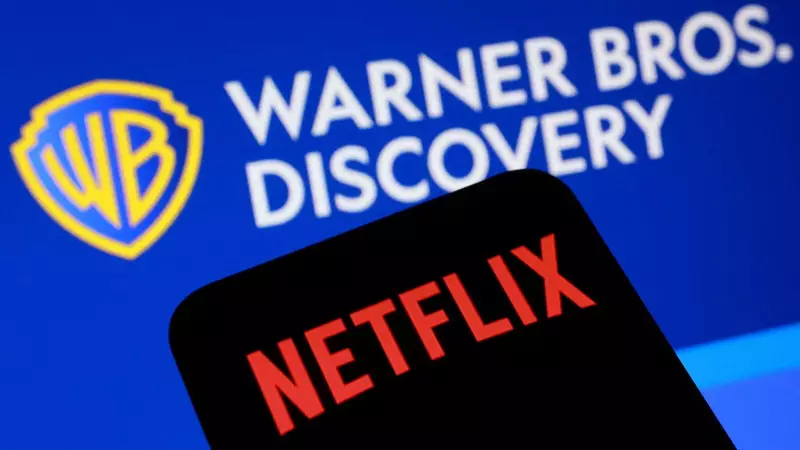
In a move that has sent shockwaves through the global media landscape, streaming behemoth Netflix has announced a monumental acquisition. The company revealed on Friday, 7th December 2025, that it has successfully outbid competitors to purchase entertainment titan Warner Bros Discovery for a staggering $72 billion.
A Landmark Deal in the Streaming Wars
The agreement marks the culmination of a fierce three-way bidding war, positioning Netflix as the new owner of the iconic Hollywood film studio and its prized streaming service, HBO Max. This union of two industry mammoths is poised to create one of the largest media conglomerates ever seen, fundamentally reshaping the competitive dynamics of film production and digital streaming. The sheer scale and speed of the deal, which materialised quicker than many analysts predicted, has left the market reeling.
The Looming Regulatory Hurdle
While the financial terms are settled, the path to finalising this mega-merger is far from clear. According to a CNBC report, the regulatory approval process is expected to encounter significant turbulence. Antitrust authorities in multiple jurisdictions, including the United States and the European Union, are likely to scrutinise the deal intensely. Their primary concern will be the potential for reduced market competition, as the combined entity would control an unprecedented library of content and subscriber base, potentially stifling innovation and consumer choice.

Regulators will examine whether the merger of Netflix and Warner Bros Discovery creates an unfair monopoly in content creation and distribution. The deal brings together vast portfolios of beloved franchises, from Netflix's original series to Warner's DC Universe, Harry Potter, and its deep film catalogue. This concentration of intellectual property could raise red flags for competition watchdogs concerned about market dominance.
Market Implications and Future Outlook
The successful closure of this acquisition would create a streaming powerhouse with unparalleled global reach and content diversity. For consumers, it could mean a more consolidated subscription but also sparks concerns about potential price increases in the long term. For competitors like Disney+, Amazon Prime Video, and emerging regional players, this deal signals an accelerated arms race for content and scale.
Industry observers are now watching closely as the regulatory drama unfolds. The process could involve lengthy reviews, demands for asset divestitures, or even legal challenges. The outcome will set a critical precedent for future consolidation in the rapidly evolving digital entertainment sector. For now, the media world holds its breath, waiting to see if this $72 billion gamble will pass the ultimate test of regulatory compliance.