Scorpions Return to India After Two Decades: A Journey of Music and Connection
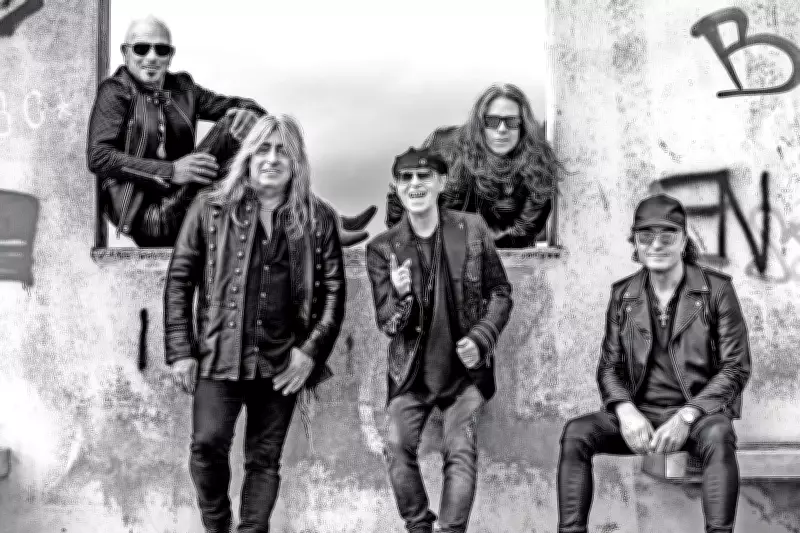
As the legendary rock band Scorpions prepares to return to India after nearly twenty years, there is palpable excitement and curiosity about what has changed in the country they first visited decades ago. The band members—Klaus Meine, Rudolf Schenker, and Matthias Jabs—approach this tour with keen awareness of how the music industry, technology, and audiences have evolved, yet they remain focused on the present moment and their enduring connection with fans.
'It's Not a Comeback, It's a Continuation'
In today's digital age, the Scorpions reach new listeners not through traditional radio or record stores but through streaming platforms, television shows like Stranger Things, and curated playlists. Klaus Meine finds this rediscovery of their music deeply moving, noting that songs have their own timelines and can find new audiences across generations. "It's wonderful to see how music finds new ways to reach people," he says. Younger fans often encounter their songs without historical context, driven purely by emotion. "They hear a song, they feel something, and then they want to know more."
Matthias Jabs emphasizes that this tour is not a comeback but a continuation of their musical journey. Their concerts now attract three generations of fans: longtime devotees, those who discovered them through film and television, and digital natives who found them online. "It's such a privilege to play in front of three generations and still feel that connection," he states. The band believes that a great song transcends its era, waiting to be rediscovered and appreciated anew.

Memorable Performances in India: Beyond Scale and Sound
Not all lasting memories from their previous visits to India were created in large arenas. Rudolf Schenker recalls a charity concert in Sikkim in 2000, where he performed solo on a bamboo stage. "It was such a big event. Very special," he says. Similarly, a concert in Shillong left a lasting impression when schoolchildren were given a day off to attend, highlighting how music can transform routine into cherished memory.
Klaus Meine reflects on the physical demands of touring, especially in challenging environments like high-altitude shows in Bolivia or performances in the Amazon. "Touring like that takes a different physical toll now. Long flights, shifting time zones, unfamiliar climates. Preparation matters more. Arriving early matters. Rest matters," he explains. Yet, once the tour begins, an instinctive momentum takes over, as described by Matthias Jabs. What sets places like Sikkim or Shillong apart is not logistics but the profound presence of music, connecting people even if just for one night.
The Soul of Live Performance: Connecting with Audiences
Live performance remains at the heart of the Scorpions' philosophy. Regardless of how music is streamed or discovered in fragments, they believe a song's truth is fully revealed only when played live to an audience. "We were never just a rock band. We wanted to build bridges between cultures and make the world a little better through music," Klaus states. The connection with the audience is paramount, and the pre-show anticipation—a tightening in the chest—still excites them. Rudolf Schenker describes it as tension rather than fear, a feeling that dissolves once they step on stage and lock eyes with the crowd. "Lose that feeling, and you lose the soul of it all," Klaus adds.
Navigating Technology and Preserving Authenticity
The Scorpions are acutely aware of how technology, social media, and even artificial intelligence are reshaping the music industry. Klaus notes that young artists today must engage in extensive self-marketing, with smaller budgets but broader reach than ever before. However, Rudolf is clear about the limits of technology: "AI can't replace heart and soul. Music has to come from real human feeling. Tools can assist and distribute. Feeling is something else. A song that lasts still has to come from somewhere honest."

Songwriting from the Heart: A Global Legacy
From their early days, the Scorpions chose to write songs in English not as a commercial strategy but to allow their music to travel freely. "No pressure. It was always songwriting from the heart," says Klaus. This approach led to global hits like Still Loving You and Rock You Like a Hurricane, which have resonated across continents and generations. Perhaps most notably, Wind of Change emerged from their experiences in the Soviet Union and became an anthem of peace after the Berlin Wall fell. "For a brief moment, the window for peace was wide open," Klaus recalls, highlighting how honest songwriting can find its place in history.
Looking Beyond the Stage: Personal Connections with India
India holds a special place in the Scorpions' story, from an unexpected overnight halt in Delhi in the late 1970s to charity football matches and high-altitude performances. After nearly two decades since their last major visit, this return is deeply personal. Klaus expresses a desire to visit the Taj Mahal for the first time, while Rudolf shares how yoga and meditation have grounded him. "That whole world gave me a lot of energy," he says. Matthias approaches the visit with curiosity about Indian music, acknowledging its complexity compared to their own work. This tour promises to be more than just concerts—it's a reconnection with a country that has always welcomed them with open arms.