Nucleya Highlights Systemic Gaps in India's Electronic Music Scene
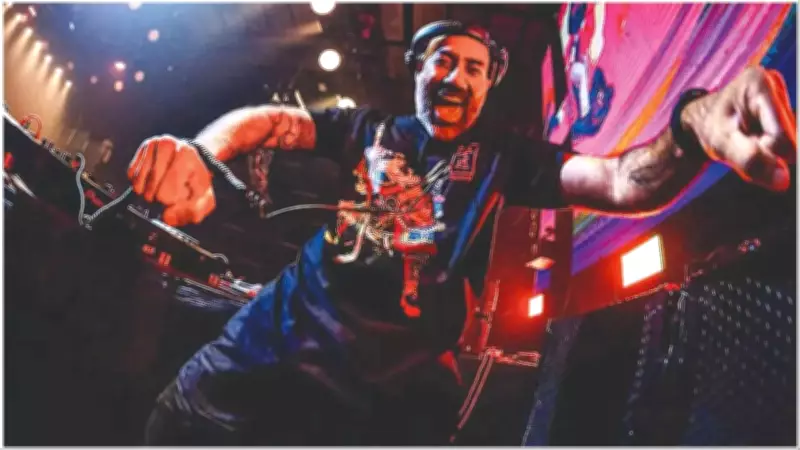
Despite the surging popularity of electronic music across India, pioneering artist Nucleya has voiced significant concerns about the industry's failure to establish a robust support system for the genre. The music producer and DJ, renowned for transforming India's independent electronic landscape by fusing bass-heavy EDM with indigenous sounds, street culture, and vernacular influences, successfully brought electronic music from exclusive clubs into mainstream youth consciousness with iconic tracks like Bass Rani, Laung Gawacha, and Jungle Raja.
Absence of Nurturing Infrastructure for Talent
In a candid conversation with Mumbai Mirror, Nucleya expressed that while appreciation exists, there is no structured framework to cultivate electronic music talent in the country. "There is appreciation, but there is no system yet that ensures enough effort is being put into nurturing electronic music talent in this country," he stated. "We have incredible producers here, but there isn't a structure that really supports them to create world-class electronic music consistently." This deficiency becomes particularly evident when electronic music intersects with mainstream cinema, where support mechanisms are often lacking.
Indifferent Attitude Toward Bollywood Collaborations
When questioned about Bollywood's receptiveness to his work, Nucleya's response was unequivocal and direct. "Honestly, I don't care about it. If there's a good job and someone wants to work with me, I'll do it. Otherwise, I genuinely don't care," he remarked. He clarified that this stance isn't meant to be boastful or negative but reflects that Bollywood isn't integral to his creative world. "There are some incredible people in the Hindi film industry and the South Indian film industry who genuinely like my work, and once in a while I do get to collaborate with them. But the majority of them don't really care about music in general."

Call for Originality in Indian Music
Nucleya, who recently performed at SulaFest 2026, emphasized the need for greater originality in India's music industry. He pointed out the country's vast talent pool, questioning why there's a tendency to recycle past music or borrow scripts from Hollywood and other industries. "In India, the amount of talent we have is unbelievable. So, why are we constantly rehashing music from the past? Why borrow scripts from Hollywood or other industries when we have such strong original stories? This shift has to happen," he asserted, advocating for a move toward more authentic and innovative creations.
Preference for Intimate Performance Settings
Nucleya's creative philosophy also extends to his performance preferences, where he favors smaller, more intimate venues over large concert stages. "Smaller spaces are more my vibe. It's easier to connect with people there. You can feed off each other's energy, and there's room to make mistakes, to experiment. That freedom is important," he explained. He added that he's no longer driven by the desire to perform extensively, stating, "I'm not hungry to go out and do 200 shows anymore. I'm happy doing fewer shows, but for the right audience."
Overall, Nucleya's insights shed light on the challenges facing electronic music in India, from inadequate support systems and Bollywood indifference to the need for originality and intimate artistic expression. His perspective underscores the ongoing evolution of the genre within the country's diverse musical landscape.