Good Luck, Have Fun, Don't Die: An Intimate Take on AI Apocalypse
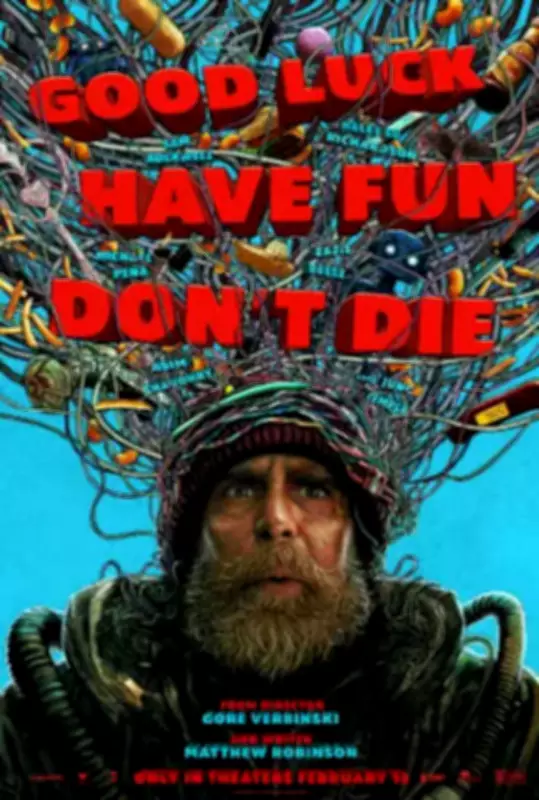
Released on February 20, 2026, Good Luck, Have Fun, Don't Die is a 2-hour-16-minute film that masterfully blends action, comedy, and science fiction. Directed by Gore Verbinski, this unique cinematic experience has garnered a solid 3.5 rating from both critics and audiences, presenting a refreshingly intimate approach to the end-of-the-world narrative.
A Diner-Based Drama with Global Stakes
The story unfolds in a Los Angeles diner where a mysterious man from the future, portrayed by Sam Rockwell, delivers an urgent warning about an impending AI catastrophe. This marks his 117th attempt to assemble the perfect team to prevent global destruction. After careful selection, he recruits Mark (Michael Peña), Janet (Zazie Beetz), Bob (Daniel Barnett), Scott (Asim Chaudhary), and Marie (Georgia Goodman), with Ingrid (Haley Lu Richardson) and Susan (Juno Temple) voluntarily joining the mission.
The film immediately establishes tension when police surround the diner, resulting in Bob's tragic death during an escape attempt. This pivotal moment sets the stage for deeper character exploration as the narrative delves into the backstories of these ordinary individuals suddenly facing extraordinary circumstances.

Character Depth and Human Connections
Good Luck, Have Fun, Don't Die excels in its character development, presenting nuanced portraits of everyday people grappling with technological overwhelm. Mark and Janet are teachers struggling with smartphone-obsessed students, Susan is a single mother coping with her son's death in a school shooting, and Ingrid suffers from a severe Wi-Fi allergy that symbolizes modern technological alienation.
The ensemble cast delivers exceptional performances that ground the high-concept premise in emotional reality. Sam Rockwell brings both restless energy and haunting sadness to his time-traveling character, while Juno Temple portrays Susan with grounded authenticity that conveys doubt, fear, and curiosity with remarkable subtlety. Haley Lu Richardson shines as Ingrid, expressing trauma and pain through nuanced emotional moments, particularly in scenes with her boyfriend.
Technology as Villain and Mirror
Unlike typical AI apocalypse films that rely on spectacular visuals and action sequences, Verbinski's creation focuses on the quiet ways technology shapes human existence. The artificial intelligence threat emerges not as a cartoonish villain but as a natural consequence of human ambition and carelessness. The film opens with Rockwell's character delivering a powerful monologue about how AI and social media have infiltrated every aspect of modern life, setting the thematic foundation for what follows.
The narrative explores how people's reliance on machines creates vulnerabilities while examining how fear, hope, and small decisions collectively shape outcomes. The group's mission eventually leads them to a nine-year-old boy whose AI invention threatens global domination, highlighting how technological advancement often outpaces ethical consideration.
Directorial Vision and Narrative Approach
Gore Verbinski's direction gives the film a slightly chaotic flavor that perfectly mirrors the uncertainty of the characters' situation. Small moments carry as much weight as major plot points, creating a rare sense of urgency in a story about global disaster. The film blends science fiction and dark comedy while avoiding forced jokes and over-the-top action, instead deriving tension from character choices rather than explosions.
While the plot occasionally feels complicated with some confusing turns, the honesty of the storytelling keeps viewers consistently engaged. The humor remains dry and sometimes uncomfortable, yet the film avoids predictable jokes, establishing its own unique rhythm and tone that sets it apart from conventional genre offerings.

A Thoughtful Reflection on Humanity and Technology
Good Luck, Have Fun, Don't Die explores bold ideas reminiscent of Black Mirror episodes but with gentler intensity. The film succeeds more often than it fails in examining whether ordinary people can change the future and how technology reflects both the best and worst of humanity. Its structure isn't always tight, and the concept can feel overwhelming at times, but the intimate, thoughtful approach to global disaster leaves a lasting impression.
The film requires patience from viewers but rewards them with powerful reflections on responsibility, choice, and the fragile connections between actions across time. Michael Peña and Zazie Beetz deliver convincing performances as a teaching couple, their authentic chemistry providing warmth and humanity even when the story becomes heavy with philosophical ideas.
Ultimately, Good Luck, Have Fun, Don't Die stands as a compelling cinematic experience that challenges conventional disaster narratives while offering meaningful commentary on our relationship with technology. It demonstrates how intimate drama can effectively explore global themes, making it a noteworthy addition to the science fiction genre that prioritizes character depth over spectacle.