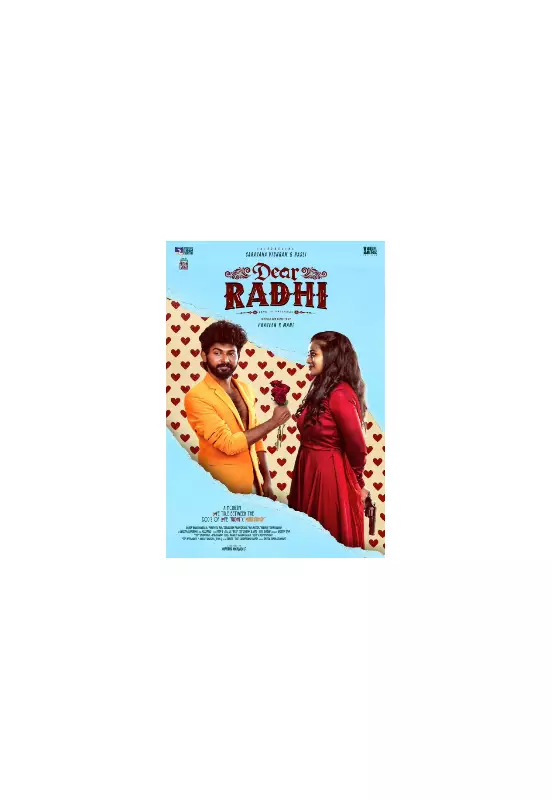
The Tamil film Dear Radhi, released on 2 January 2026, attempts to breathe fresh life into a familiar romantic comedy setup. Directed by Praveen K Mani, the movie stars debutant Saravana Vickram and Hasli Amaan in lead roles, with supporting performances from Rajesh Balachandiran and Sai Dinesh. The film has garnered a 3.0 rating from both critics and users on its platform, indicating a watchable, if flawed, cinematic experience.
A Slow Start That Finds Its Rhythm
The film's premise is straightforward: Madhan (Saravana Vickram), a man crippled by extreme social anxiety around women, hires a prostitute named Radhi (Hasli Amaan) to spend 24 hours with him after their first meeting. Radhi agrees, motivated by both financial need and the urgent desire to evade Varadhan (Rajesh Balachandiran), an unhinged man who is hunting her. The plot thickens with the addition of a cop whose gun Radhi had stolen previously.
Critics note that Dear Radhi takes its time to find a comfortable pace. The initial sequences feel drawn-out, but once the core conflict is established, director Praveen adopts a more organic approach. He allows the characters to improvise their way through increasingly chaotic situations, which often leads to genuine, if improbable, moments of comedy. The film consciously prioritizes humour over airtight logic, a gamble that pays off more often than not for viewers willing to suspend disbelief.

Performances That Elevate the Material
The cast delivers performances that are crucial to the film's modest success. Rajesh Balachandiran stands out as Varadhan, portraying the volatile antagonist with a conviction that makes his character both terrifying and darkly funny. His scene involving a hostage situation at a lodge is a highlight. Saravana Vickram manages his debut role capably, embodying the awkward and socially paralyzed Madhan. Hasli Amaan provides a convincing foil as the pragmatic yet vulnerable Radhi.
However, the film is not without its noticeable shortcomings. A recurring narrative device where Madhan breaks the fourth wall to lecture the audience on man-woman dynamics feels jarring and derivative. These monologues, reminiscent of tired internet commentaries, disrupt the film's flow and add little to the story. The film would arguably have been stronger without this clichéd element.
A Muddled Conclusion and Final Verdict
The final act of Dear Radhi presents another stumbling block. Instead of offering clear closure or compelling ambiguity, the ending becomes confusing and drags. Madhan's sudden decision to flee lacks a coherent motivational anchor, leaving the audience with a sense of muddle rather than intrigue or emotional payoff.
Despite these flaws, Dear Radhi earns points for its spontaneous, improvised feel and for finding unexpected creativity within a simple framework. It clears the fundamental hurdle of being a watchable, largely cringe-free entertainer. The film's missteps, while noticeable, do not completely sink the experience. For audiences with managed expectations, it offers a decent one-time watch, proving that sometimes, a simple setup handled with a light touch can yield surprising results. The film is currently available for viewers.