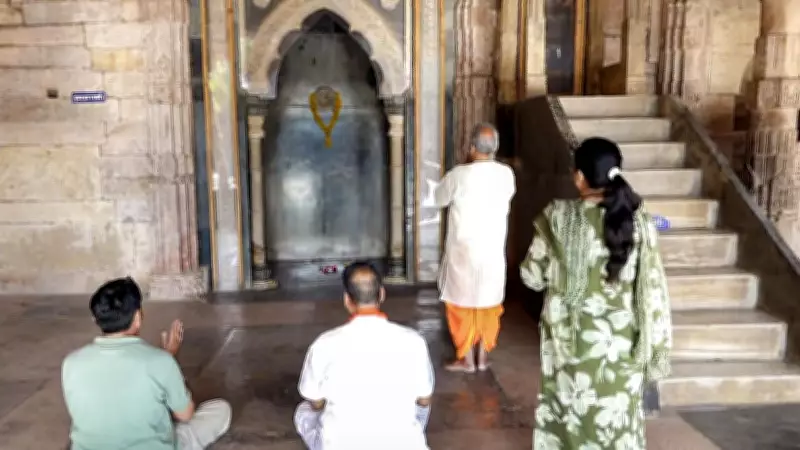
Petitioners from the Hindu side in the ongoing Bhojshala dispute have intensified their demands, asserting that the Vagdevi idol currently housed at the British Museum in London holds greater cultural and religious significance than the famed Kohinoor diamond. They are now pressing for the idol's return to India and its reinstallation at the Bhojshala complex in Dhar, Madhya Pradesh.
Idol's Significance and Demand for Return
The petitioners argue that the Vagdevi idol, a revered symbol of knowledge and learning, is integral to the heritage of Bhojshala, an ancient site linked to the legendary King Bhoja. They claim that the idol's presence in London is a colonial-era injustice that must be rectified. The demand has gained traction as part of a broader movement for the repatriation of cultural artifacts taken during British rule.
Legal and Historical Context
The Bhojshala site has been a subject of contention between Hindu and Muslim communities, with both sides claiming religious rights. The petitioners' latest move adds a new dimension to the case, drawing parallels to other restitution efforts such as those for the Kohinoor diamond. However, they emphasize that the Vagdevi idol's spiritual value far exceeds that of any gemstone.

- Cultural Heritage: The idol is believed to date back to the 11th century and is associated with the Saraswati temple at Bhojshala.
- Legal Proceedings: The petitioners have approached the Madhya Pradesh High Court, seeking directives for the government to initiate talks with the British Museum.
- Global Repatriation Movement: This case aligns with similar demands worldwide for the return of looted artifacts.
As the case progresses, the petitioners remain optimistic that the idol will eventually be restored to its original home, reinforcing India's cultural sovereignty. The British Museum has yet to respond to the renewed calls for repatriation.