UK Woman Loses $340K, Home, and Car in Elaborate Celebrity Romance Scam
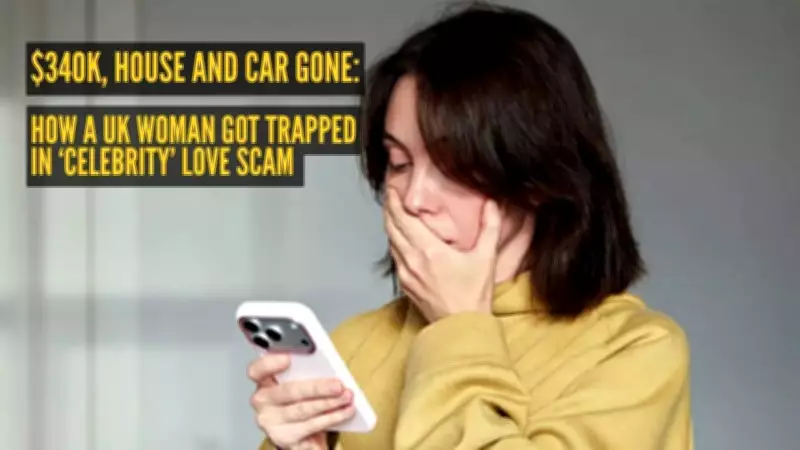
Many people fantasize about a celebrity falling in love with them, a scenario that seems straight out of a movie. While most recognize this as highly improbable, some cling to hope, making them vulnerable to sophisticated scams. A shocking case from the UK highlights the devastating consequences of such deception, where a woman lost a staggering $340,000, along with her house and car, to fraudsters posing as Hollywood stars.
Jennifer Barton's Heartbreaking Ordeal
Jennifer Barton, a 44-year-old resident of Kidderminster, UK, and an employee of the National Health Service, shared her traumatic experience with scammers who impersonated celebrities including Charlie Hunnam, Nick Byrne, US singer Michael Ray, Chris Hemsworth, and Alexander Ludwig. These impostors contacted her on social media platforms like Facebook and Instagram, claiming to be the celebrities and expressing a desire to meet her.
The scammers quickly moved conversations to Telegram, citing privacy concerns, where they spun a classic tale of messy divorces. They alleged they needed financial assistance to cover court fees and legal battles, playing on Barton's emotions by professing romantic feelings, love, and promises of marriage and relocation to England to be with her.

"People were reaching out on Facebook and Instagram, saying they were celebrities like Alexander Ludwig and that they wanted to meet," Barton recounted. "They wanted to chat on Telegram as it was more private. Some said they were going through a divorce and didn't have their own money."
Escalation of Financial Demands
Initially, the interactions began with "general everyday kind of chat with a bit of flirtatiousness," but Barton admitted she "got addicted" to sending money despite having doubts. The requests started small, with one fraudster asking for around £3,000 for court fees within a month of contact. "You are hoping that the guy is legit," she said. "I have this attention from someone and I am liking this attention."
The situation intensified when a scammer posing as Michael Ray convinced Barton to sell her house and car. Out of the £111,000 proceeds, she used a small portion for a hotel and hire car, but the majority was sent to the fraudster. "He said I would be able to get a new house with the money and he was reassuring me that everything was going okay," she explained, highlighting how the scammers manipulated her trust.
Common Tactics and Red Flags
Barton's case underscores how fraudsters exploit emotions through various schemes, from offering incentives to posing as authorities or romantic interests. They often create a sense of urgency, using deadlines or threats to pressure victims into quick financial decisions. In her experience, excuses piled up: "It was one excuse after another - one said they were arrested, another was let out of their contract, one was in London and got robbed."
To protect others, Barton issued a stern warning: "For anyone facing anything similar, just reach out to family and friends. Especially if they're asking you for money." She emphasized that scammers prey on feelings, and seeking external advice is crucial when online contacts request funds.
Lessons for Online Safety
This incident serves as a stark reminder of the risks associated with online interactions. Key takeaways include:
- Verify identities: Be skeptical of unsolicited messages from celebrities or high-profile individuals.
- Avoid financial transactions: Never send money to someone you've only met online, regardless of their story.
- Seek support: Consult friends or family if you feel pressured or uncertain about an online relationship.
- Recognize urgency tactics: Scammers often use time-sensitive claims to bypass rational thinking.
As online scams evolve, staying informed and cautious is essential to prevent financial and emotional devastation like that experienced by Jennifer Barton.