Pavel Durov, the maverick billionaire behind the Telegram messaging app, has once again defied societal norms with a startling personal revelation. Known for his nomadic lifestyle and independent streak, Durov is now drawing global attention for his unconventional approach to fatherhood and reproduction. He has disclosed that he is the biological father of more than 100 children across over a dozen countries, conceived through sperm donation, and continues to financially support in-vitro fertilisation (IVF) treatments for women using his donated genetic material.
Durov's Ideological Mission Against Fertility Decline
Unlike the private family lives of most tech moguls, Durov frames his actions as a deliberate, ideological project. He is driven by a firm belief that the world is facing a severe fertility crisis. Durov argues that falling global birth rates are not due to a lack of desire for children, but because modern challenges like declining sperm quality, environmental pollution, and delayed parenthood make conception harder. He views sperm donation by healthy men as a "civic duty" to counteract this biological decline.
This philosophy explains the scale and geographic spread of his donations, which began around 2010. By working through clinics instead of personal relationships, Durov aimed to maximise impact without emotional entanglement. His goal, as stated, is not a conventional personal legacy but participation in a collective response to a looming demographic threat.

Funding IVF and the Staggering Inheritance Pledge
What makes Durov's case extraordinary is not just the number of children but his continued financial involvement. He has stated he is willing to cover the costs of IVF treatments for women who choose his donated sperm, removing a significant financial barrier that often puts assisted reproduction out of reach. While he has stopped giving new samples, his frozen sperm remains available in clinics.
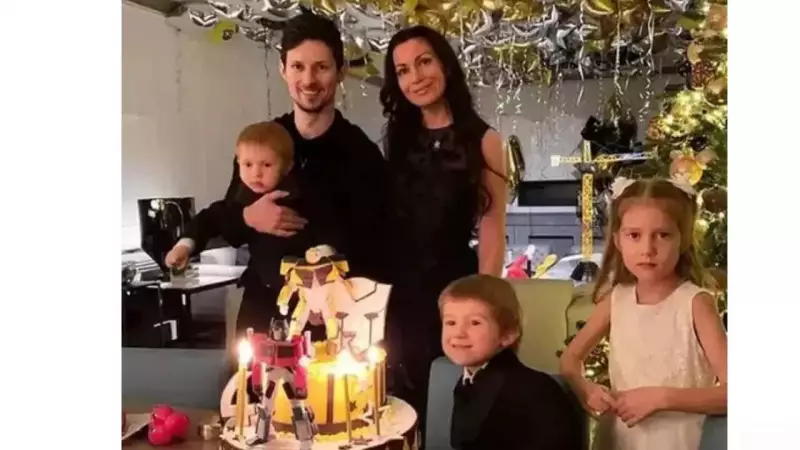
Perhaps the most striking aspect is his stance on inheritance. Durov has pledged that all his biological children—whether from personal relationships with three partners (totalling six kids) or from sperm donation—will be entitled to an equal share of his multibillion-dollar fortune, provided they can prove genetic parentage via DNA. This reframes sperm donation from a legally detached act into a long-term, albeit unconventional, responsibility, raising complex cross-border legal questions.
Fatherhood Redefined: Genetics Over Parenting
Notably absent from Durov's model is traditional parenting. He does not claim to raise or know the majority of these children, nor does he seek to be a daily presence in their lives. He speaks of fatherhood in abstract terms, focusing on genetics, opportunity, and long-term financial recognition rather than emotional involvement or upbringing. He emphasises he seeks no control over their lives, only to remove barriers to their birth and ensure equal treatment later.
Reactions to his disclosures are deeply divided. Supporters see it as using private wealth to widen access to reproductive technology. Critics argue it creates unsettling power dynamics where money and genetics blur ethical lines, turning reproduction into a form of social engineering. As nations wrestle with ageing populations, Durov's story forces a broader debate on who gets to reproduce easily, who bears the cost, and the role of private wealth in shaping fundamental human choices.
Whether viewed as radical altruism or a billionaire's ego project, Pavel Durov's approach starkly embodies how technology, wealth, and biology are redefining the very concept of parenthood in the 21st century.