It was a night that would shock the world and become a dark chapter in music history. On December 8, 1980, a routine emergency call for a young surgeon in New York turned into an encounter with a cultural tragedy that would haunt him for months.
The Fateful Emergency Call
Dr. Frank Veteran, then a 30-year-old chief surgical resident at Roosevelt Hospital, was preparing for bed at his girlfriend's Manhattan apartment when his beeper sounded. As a doctor on call every third night, he was accustomed to late-night emergencies involving gunshot wounds and accidents. What he did not know was that the patient being rushed to the hospital was John Lennon.
Earlier that evening, around 10:50 PM, Lennon had been shot four times in the back with a .357 Magnum revolver outside the Dakota building, his home on the Upper West Side. The assailant, Mark David Chapman, who had taken Lennon's autograph earlier that day, waited at the scene and was arrested without resistance. Police officers placed the critically injured Lennon in a patrol car and drove him directly to Roosevelt Hospital.

A Desperate Fight for Life in the ER
When Dr. Veteran received the call, he was initially told a patient had a gunshot wound to the chest. Hearing that another resident had already opened the chest—a last-resort procedure indicating cardiac arrest—he thought his help might not be needed. A second, urgent call demanding his immediate presence changed his mind.
He rushed to the hospital, and on his way to the emergency room, a nurse uttered the name "John Lennon." The name didn't immediately connect. "It made no sense to me," Veteran later recalled. The reality struck him only when he entered the operating area. "I walked in, and there was John Lennon, on the table, with all these people around him."
The surgical team was already working frantically. Lennon's chest was open, and the damage was catastrophic. Two bullets had entered through his left arm and into his chest, while two more struck directly behind the arm. The rounds had torn through his lungs and major blood vessels, with the most severe injury to the subclavian artery. Three bullets had exited his body; one remained lodged inside.
For about 20 minutes, the doctors tried to restart Lennon's heart. Dr. Veteran explained the grim medical reality: once the heart stops, doctors have only about five minutes to resuscitate before brain injury from lack of oxygen occurs. The time taken to transport Lennon from the Dakota, prepare him, and open his chest had already exceeded that critical window. "And had we gotten it going," Veteran added, "he would have been brain dead. It would have been a disaster anyway."
At 11:15 PM, John Lennon was pronounced dead. The official cause was shock and massive blood loss. The last sign of life, according to a police officer, was a groan when Lennon was placed in the patrol car.
The Aftermath and a Haunting Memory
The moment of pronouncement was followed by a harrowing scream from a nearby room. "That was Yoko Ono," Veteran said. "The head of the emergency room had given her the news. It was a horrendous scream."
For Dr. Veteran, a former Beatles fan whose busy residency had pushed music to the background, the event left a deep psychological mark. "Standing there, suddenly, everything just hit me," he said. "For some reason, I thought of John Kennedy and Jesus Christ. It was just a weird thing that flashed in my head."
He experienced bouts of deep depression for about six months afterward, waking up in the middle of the night struggling with the weight of what he had witnessed. Though he later left surgery, the events of that night never fully receded.
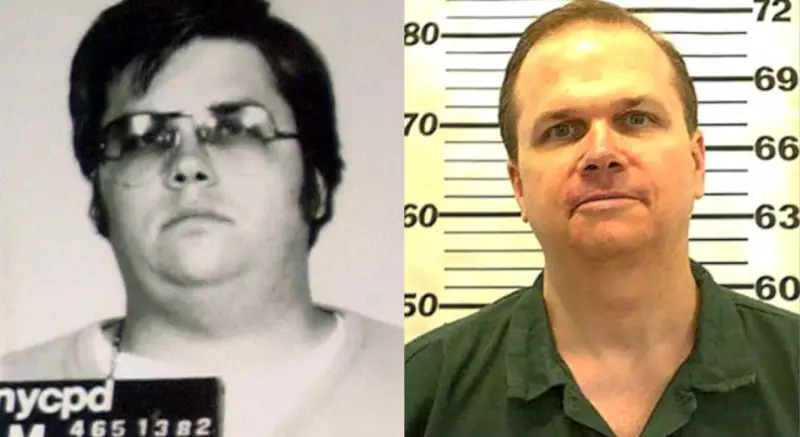
Meanwhile, Mark David Chapman, who later stated during a parole hearing that he committed the murder "to be famous" and called the crime "completely selfish," remains in prison. He is serving a sentence of 20 years to life and has been denied parole 14 times.
The night of December 8, 1980, forever linked Dr. Frank Veteran to one of the most shocking moments in modern culture—not as a fan or a bystander, but as the surgeon who stood at the table, trying, and ultimately failing, to save a legend.