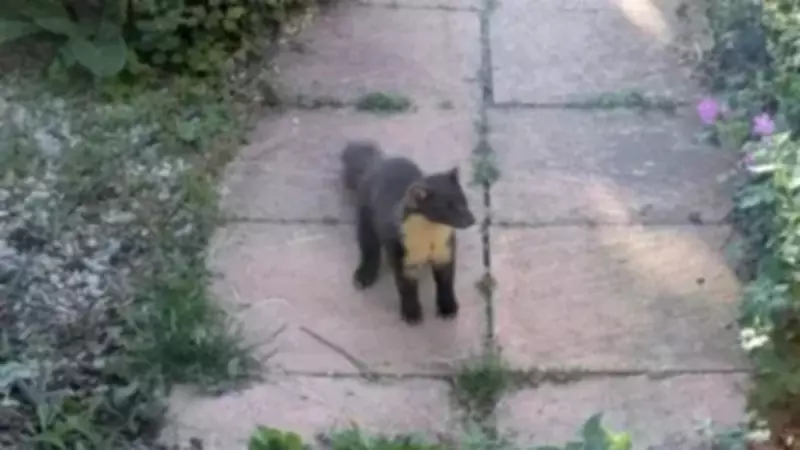
A pine marten, a highly endangered mammal, has been observed in a backyard garden in Worthing, marking the first such sighting in both East and West Sussex for over a hundred years. According to a BBC report, the animal was found in the flower bed of a resident named Andrew on Sunday.
Andrew was sipping his morning coffee when he noticed an unusual animal sitting on the garden path. Initially unsure of what it was, he said, "I was having my morning coffee when I saw something but wasn't exactly sure what it was. It was just sitting there on the path minding its own business and enjoying the sunshine."
Unexpected Encounter
Accustomed to seeing foxes and squirrels in his garden, Andrew described the experience as "magical and completely unexpected." The creature stayed long enough for him to take several photographs before it vanished. He noted that the pine marten seemed accustomed to humans, raising questions about prior contact with people.

The Sussex Wildlife Trust confirmed the animal was a pine marten based on its distinguishing cream-colored chest markings.
About the Pine Marten
The pine marten is a medium-sized mammal belonging to the same family as weasels, otters, and badgers. It has a bushy tail, brown fur, and excellent tree-climbing abilities. Primarily nocturnal, they inhabit wooded areas and prey on mammals, birds, insects, berries, and fruits.
Once widespread across Britain, pine marten populations declined sharply in the 18th and 19th centuries due to hunting and habitat loss. They are now endangered in England and Wales, though conservation efforts have revived populations in some regions.
Historical Significance
According to the Sussex Wildlife Trust, the last recorded pine marten sighting in the area was in the village of Woolbeding in 1923. Dr. Louisa Mamalis, Monitoring and Evidence Manager at the trust, noted that pine martens are slow reproducers, making population recovery a lengthy process.
The trust is part of the South East Pine Marten Restoration Project, which assesses the feasibility of reintroducing the mammal to Sussex. "There's certainly a lot of potential here, but perhaps this little guy already beat us to it," Mamalis added.
This rare sighting has generated excitement among conservationists, offering hope for the return of a native British mammal to Sussex.