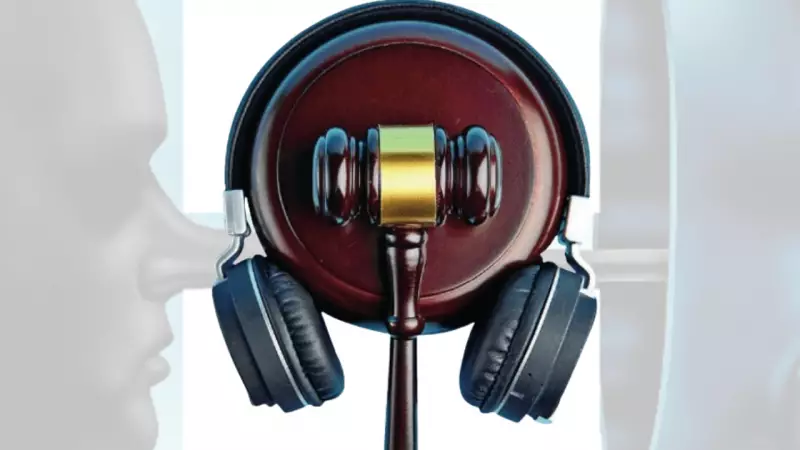
As artificial intelligence (AI) becomes more widespread, a dangerous side effect has emerged: the menace of AI-generated deepfakes. In India, celebrities from the film industries of Tollywood and Bollywood are no longer passive victims. They are aggressively pursuing legal action to tackle this growing threat head-on.
Stars Take Legal Stand Against Digital Exploitation
A series of recent civil suits filed by prominent actors highlights India's strengthening legal response to AI-driven violations. Film icons like K Chiranjeevi, Akkineni Nagarjuna, Amitabh Bachchan, Aishwarya Rai Bachchan, and Anil Kapoor have approached the courts. Their cases target not just deepfakes but also counterfeit merchandising and pornographic scams, placing the protection of personality rights at the core of the modern entertainment economy.
Recognizing the seriousness of these violations, Indian courts have been acting swiftly. They are issuing injunctions to stop the spread of deepfakes and unlicensed endorsements that mislead the public and damage the personal brand value of these celebrities.

Courts Unify Privacy and Publicity Rights
Across different legal jurisdictions, judges are now treating unauthorized AI images, manipulated videos, and fake merchandise as violations of both privacy and publicity rights. Recent court orders include powerful tools like "John Doe" injunctions against unidentified online offenders. Courts are also directing platforms to take down content, acknowledging that a celebrity's persona holds significant commercial value and is instantly recognizable to fans. Its misuse can cause irreparable harm.
In a significant ruling from Hyderabad, a city civil court order on September 26, 2025, provided extensive protection to veteran actor K Chiranjeevi. The order safeguards his name, image, voice, and famous nicknames such as "Mega Star," "Chiru," "Annayya," and "Boss" from unauthorized use by over 30 online entities. Crucially, this injunction also covers AI-generated content and the Metaverse, prohibiting the sale of T-shirts, posters, and deepfake videos under his name without consent. Following this, the Hyderabad cybercrime police registered a case against porn sites circulating deepfake videos of the actor.
Similarly, in Delhi, a 2025 court order in favor of Akkineni Nagarjuna restrained dozens of obscene websites and merchandisers from using his name, image, persona, and voice. The court relied on precedents set by the Delhi High Court in cases involving Amitabh Bachchan and Aishwarya Rai Bachchan. These precedents have led to orders for disabling URLs and banning the sale of merchandise bearing their likenesses.
Beyond Film Stars: The Case of the Hyderabad Biker
This legal battle is not confined to the film fraternity. A famous Hyderabad-based female biker filed a suit in a local court after discovering her photograph was misused. She had originally provided the image to a women riders' group to promote International Female Riders Day. However, her picture was allegedly altered and used without her consent by an Indian motorcycle company for advertising.
The advertisement allegedly manipulated her image to replace a Harley Davidson motorcycle with a different Indian bike brand. This case, pending before an additional chief judge in a Ranga Reddy court, shows how the misuse of likeness can affect anyone. The plaintiff's permission was limited to one specific event, yet her digital image was exploited in a corporate campaign, demonstrating how easily personal digital assets can be hijacked.
Legal Patchwork in Absence of Specific Law
Legal experts point out that while India lacks a dedicated statute for personality rights, courts are creatively using a combination of existing laws. They are drawing from constitutional privacy rights, intellectual property doctrines, and provisions under information technology and criminal law (such as identity theft and obscenity) to order content removal and deter future misuse.
The foundation for this approach comes from the Supreme Court's privacy jurisprudence, notably the 1994 ruling in R Rajagopal v Tamil Nadu. High Courts have built a practical framework through interim orders in the numerous suits filed by celebrities.

Intellectual property expert Ashok Ram Kumar notes that personality rights cases have become a crucial tool for celebrities. They help protect against identity misuse, economic exploitation, and the loss of dignity caused by AI deepfakes. "As identity theft turns into a profitable digital enterprise, courts, though operating without a specific law, have started treating a celebrity’s identity as a form of IP," he says. "This helps prevent unauthorized use of their name, likeness or voice and paves the way for broader protection of individual identity in the future."
The Delhi High Court has been at the forefront, ordering rapid takedowns of deepfakes and fake profiles while still protecting bona fide speech like satire and fan pages. Other courts, including the Madras, Hyderabad, and Bombay High Courts, have passed similar, often ex parte, injunctions. These rulings carefully balance a celebrity's right to livelihood and brand value against the public's right to free speech.