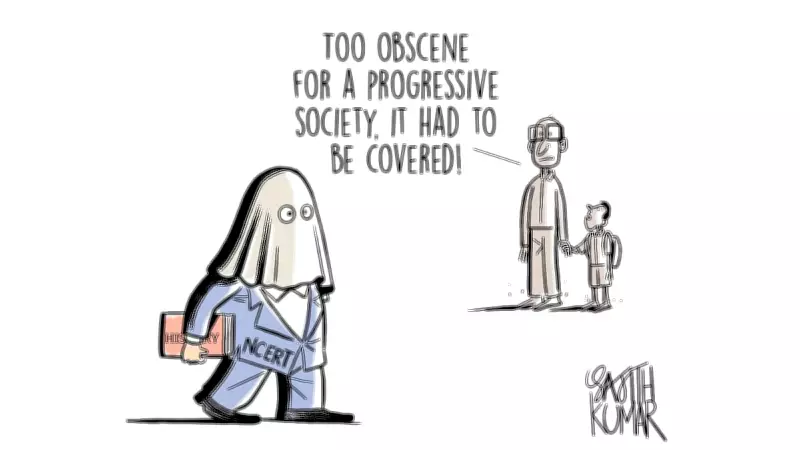
A recent cartoon published by Deccan Herald has ignited a fierce debate about the limits of satire and obscenity in a progressive society. The cartoon, which features a controversial depiction, has been criticized by some as being too obscene for public consumption, while others defend it as a form of artistic expression and social commentary.
The Cartoon in Question
The cartoon, created by a well-known illustrator, portrays a scene that some viewers find offensive and vulgar. It touches upon themes of morality, politics, and social norms, using exaggerated imagery to make a point. The publication has received mixed reactions, with some readers applauding the boldness of the piece and others calling for its removal.
Debate on Obscenity
The controversy raises important questions about what constitutes obscenity in art and media. In a progressive society, where freedom of expression is valued, where should the line be drawn? Critics argue that the cartoon crosses a line into gratuitous vulgarity that does not contribute to meaningful discourse. Supporters, however, claim that satire often pushes boundaries to challenge complacency and provoke thought.

Legal and Ethical Considerations
India's laws on obscenity are based on Section 292 of the Indian Penal Code, which prohibits the sale, distribution, or public exhibition of obscene material. The definition of obscenity has evolved over time, with courts often applying the 'Hicklin test' or the 'community standards' test. In this case, the cartoon may be tested against these legal standards, but the outcome is uncertain.
Public Reaction
Social media has been abuzz with reactions, with hashtags both supporting and condemning the cartoon. Some netizens have called for a boycott of the publication, while others have shared the cartoon widely in a show of solidarity. The controversy has also sparked discussions about the role of media in shaping societal norms and the responsibility of artists.
Expert Opinions
Legal experts and media ethicists have weighed in on the issue. Some argue that the cartoon is protected under the right to freedom of speech and expression, as enshrined in Article 19(1)(a) of the Indian Constitution. Others contend that this right is not absolute and can be restricted in the interest of decency and morality.
Conclusion
The debate over this cartoon is far from over. It highlights the ongoing tension between artistic freedom and societal norms in a rapidly changing world. As India continues to evolve as a progressive society, such controversies are likely to arise, forcing citizens to confront difficult questions about the boundaries of expression.