Andrew Tate's Unexpected Reflection on Love and Marriage Sparks Online Discussion
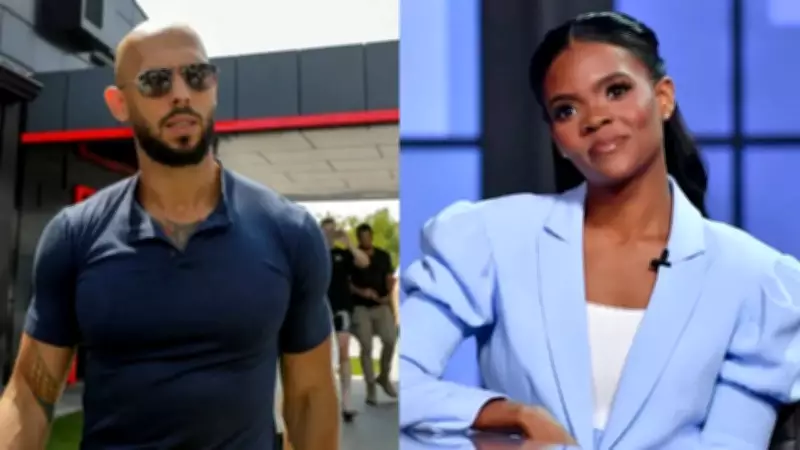
A brief yet compelling exchange between conservative commentator Candace Owens and controversial influencer Andrew Tate is capturing significant attention across digital platforms, but for reasons that diverge from the typical discourse surrounding Tate. Known for his assertive and often polarizing viewpoints, Tate displayed a markedly different demeanor in this interaction, characterized by a slower, more contemplative tone that felt almost introspective rather than declarative.
The Shift in Tone: From Edge to Reflection
This nuanced change in delivery is precisely why the clip is resonating widely. Audiences are not merely reacting to the substance of his words but to the manner in which they were expressed. There was a noticeable reduction in his usual sharpness, replaced by a sense of deeper reflection. This moment offers a rare glimpse into how even the most self-assured voices can evolve over time, particularly when addressing intimate subjects like love and commitment.
Andrew Tate on Love, Risk, and Evolving Views on Marriage
During the interview, Candace Owens posed a direct question to Andrew Tate: "Do you want to be married?" In response, Tate provided a candid and layered answer that highlighted his personal growth. He began by acknowledging his past stance, stating, "That's an interesting question, because younger me would say no. Absolutely not. And the reason younger me would say no is because I've come up with all the arguments that there's no legal advantage, really, and the woman can wreck you, and you can lose all of your things, etc."

He elaborated further, explaining, "What's the point? I don't want the government involved in my life, all those kind of arguments. But as I get older, maybe I'm getting a bit softer. Maybe I do think sometimes you need to make a decision based purely on love and have the faith of love and faith in your love enough to say, I don't care what the government's going to do about this, because I truly believe in us, and I think we're going to make it." Concluding his thoughts, Tate added, "So would I get married? Perhaps some point, yes, in the future, I might get married. Yeah, I'm not against marriage like I used to be. I used to be super against it, and I think that's because I grew up in an environment where everybody was divorced."
The Contrast and Authenticity of Growth
What makes this moment particularly striking is not just the content of his response but the evident contrast with his earlier beliefs. Tate did not completely discard his previous arguments; instead, he juxtaposed them with a newfound perspective. This tension feels authentic and relatable, mirroring the way many individuals mature and reassess their views as they gain life experience.
This conversation resonates because it captures a genuine human experience. Opinions are rarely static; they often shift with time, exposure to new experiences, and emotional development. In this instance, even a figure known for his unwavering confidence suggests that love might indeed be worth the risk, adding a layer of vulnerability to his public persona.