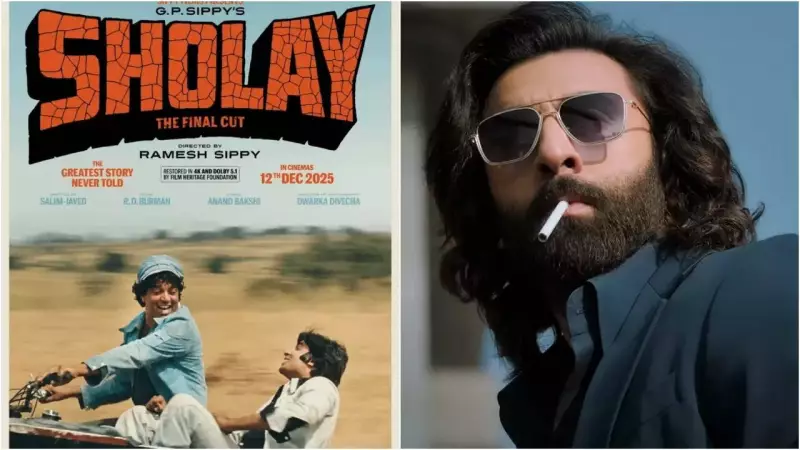
In a fascinating trend sweeping Indian cinema halls, the re-release of classic films is proving to be a powerful draw for audiences. From regional gems to beloved Bollywood staples, movies such as 'Sholay', 'Shiva', and 'Rangeela' are pulling in crowds, demonstrating that stories built on strong emotions and masterful storytelling resonate powerfully across generations. This nostalgia-driven success stands in stark contrast to the fate of many contemporary blockbusters.
The Short Shelf Life of Modern Blockbusters
While today's big-ticket movies often rake in unprecedented box office collections and dominate headlines upon their release, their cultural footprint appears increasingly fleeting. Industry observers note that unlike enduring classics, which find a permanent home in television reruns and family viewing traditions, most modern hits vanish from public discourse within months. The question arises: what is causing this rapid decline in cultural relevance despite massive initial success?
Key Factors Driving the Trend
Several interconnected forces in the modern media landscape are contributing to this phenomenon. The emergence of OTT platforms is a primary factor. With films landing on streaming services just weeks after their theatrical run, the exclusive "event" status of a cinema visit has diminished. Audiences now consume content at a breakneck pace, quickly moving from one title to the next. This rapid turnover deprives movies of the repeated viewings necessary to cement their place in pop culture.

Compounding this is the reality of content saturation. The release cycle has accelerated dramatically, with every Friday bringing a deluge of new movies across multiple languages. In this crowded marketplace, even high-quality content is quickly overshadowed by the next big release. This environment fosters a culture of "one-time watch" content that provides instant gratification but leaves little lasting impression.
Furthermore, social media hype plays a dual role. Aggressive online marketing campaigns, fueled by trailers and influencer promotions, can generate enormous opening-weekend buzz. However, this often leads to a sharp peak in conversations that fizzles out soon after the hype cycle ends. The digital spotlight is relentless and constantly shifting, moving on to the next trend before a film can develop a deeper connection with its audience.
The Enduring Power of Timeless Storytelling
Meanwhile, the successful re-releases of older films highlight what makes a story last. These classics boast intricate narratives, memorable performances, and iconic soundtracks that remain relevant far beyond their original era. Their return to theaters is not just a business tactic; it's a reminder of cinema's enduring power—a power rooted in narrative depth, not just opening weekend numbers.
The current industry conversation is increasingly focusing on this dichotomy. As re-releases bring moviegoers back in significant numbers, they underscore a vital lesson: while marketplace strategies may prioritize short-term gains, the true legacy of a film is built on its ability to tell a story that endures. The choice between creating a fleeting sensation and crafting a timeless classic remains the central challenge for filmmakers today.