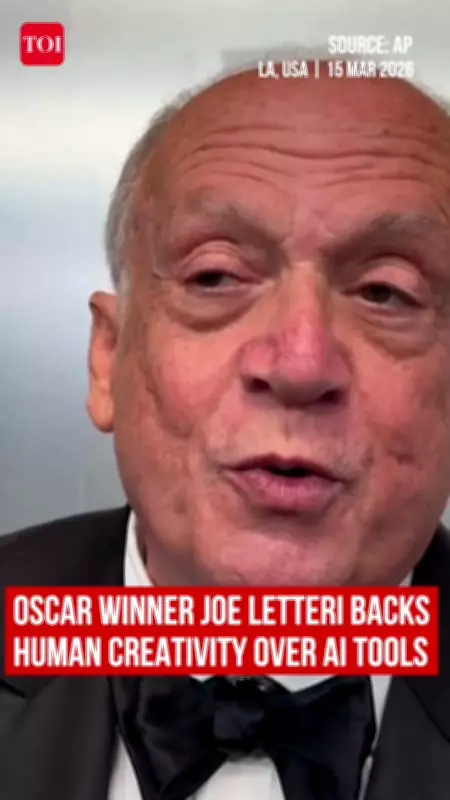
Oscar-Winning VFX Supervisor Joe Letteri Advocates for Human Artists Over AI in Filmmaking
Joe Letteri, the acclaimed Oscar-winning visual effects supervisor from Weta FX, has issued a strong defense of human artists in the face of increasing artificial intelligence adoption in the film industry. In recent statements, Letteri acknowledged that advanced technologies such as machine learning and neural networks are already integrated into modern filmmaking processes, but he firmly believes they must serve as tools under the direct control of creative professionals.
AI as a Tool, Not a Replacement
Letteri expressed significant skepticism toward the notion of fully AI-generated creativity, emphasizing that he would "rather ask an artist" for ideas than depend on autonomous systems that generate concepts independently. This perspective underscores his view that artificial intelligence should enhance, rather than supplant, the unique human touch in artistic endeavors. His comments come at a time when Hollywood is grappling with how to balance technological innovation with the preservation of artistic integrity and control.
The Ongoing Debate in Hollywood
The visual effects expert's remarks highlight a broader, ongoing debate within the entertainment industry regarding the role of AI. As studios increasingly explore AI-driven solutions for tasks ranging from scriptwriting to post-production, concerns about job displacement and the erosion of creative authorship have intensified. Letteri's stance adds a prominent voice to those advocating for a cautious approach, where technology supports artists without undermining their essential contributions.

Industry observers note that while AI can streamline certain aspects of filmmaking, such as rendering complex scenes or automating repetitive tasks, it lacks the intuitive understanding and emotional depth that human artists bring to storytelling. Letteri's experience with groundbreaking projects at Weta FX, known for its work on films like "Avatar" and "The Lord of the Rings" trilogy, lends weight to his argument that collaboration between humans and machines yields the best results.
Future Implications for the Film Industry
Looking ahead, Letteri's warnings suggest that the film industry must carefully navigate the integration of AI to avoid diminishing the artistic quality that audiences cherish. He advocates for policies and practices that ensure artists remain at the helm of creative decisions, using AI as a sophisticated assistant rather than a replacement. This balanced approach could help mitigate fears while harnessing the benefits of technological advancements.
In summary, Joe Letteri's insights reinforce the idea that in the dynamic world of filmmaking, human creativity remains irreplaceable, with AI serving as a powerful but subordinate tool in the artist's toolkit.