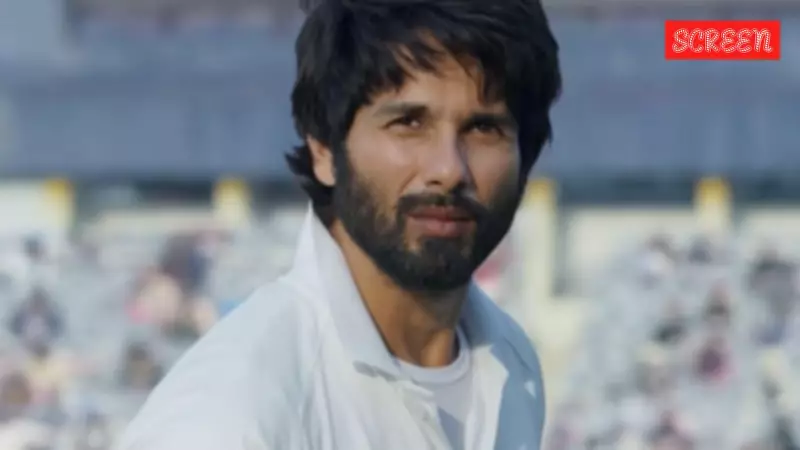
Shahid Kapoor Decries 'Manufactured' Marketing Trend in Bollywood
In a candid discussion, Bollywood actor Shahid Kapoor has voiced strong concerns about the current state of the Indian film industry, stating that Bollywood is not producing good films. He attributes this decline partly to the rise of manufactured marketing, which he believes is diluting the purity of cinema as an art form. Kapoor's remarks come as he prepares for the release of his upcoming film O'Romeo, highlighting a broader industry challenge that goes beyond simple audience disinterest.
The Two-Way Struggle: Audience Patience and Creative Output
Kapoor addressed the ongoing debate about how modern habits like doom-scrolling have shortened attention spans, making audiences less patient with long-form entertainment. However, he emphasized that this is not the sole factor behind Bollywood's struggles. The candle is burning from both ends, he explained in a conversation with Prakhar Gupta on YouTube. The audience is losing patience; their minds can't focus. They need stimulation, they need breaks, because it's a dopamine hit. Simultaneously, he noted that creators face similar distractions, compromising their ability to produce quality work.
He elaborated that it's a two-way process: while audiences may be less inclined to watch films, the industry itself is failing to make as many good films as it should. This mutual challenge underscores a complex dynamic where both viewer habits and creative shortcomings contribute to the perceived downward spiral in Bollywood.

Manufactured Marketing: A Threat to Artistic Purity
Kapoor delved into another critical issue plaguing Bollywood: manufactured marketing. He described the authentic connection between artists and audiences as a miracle of life, where a room full of people clapping and whistling elevates the artist. That's why art is special, he said. However, when this purity is disrupted by contrived marketing tactics, the experience loses its genuine feel.
He acknowledged that marketing is necessary for everyone in the industry but questioned where it crosses ethical lines. How much is too much? Kapoor pointed out that this judgment stems from personal morality. If driven solely by business and numbers, it becomes a transactional experience, whereas working from a place of authenticity preserves the art's essence. If you are seeking something authentic, human, spontaneous, then you should let it happen. Don't try to control it, he advised, stressing the importance of spontaneity in creative endeavors.
Addressing Nepotism and Personal Journey
In related comments, Kapoor also touched on the topic of nepotism, clarifying that being the son of actor Pankaj Kapur did not provide him with advantages. People think I am an actor because I am Pankaj Kapur's son, but my parents separated when I was just three, he shared on the Punjab First Voice podcast. He explained that he lived with his mother, rarely used his father's name, and never sought his help for roles, emphasizing that his career success came through natural circumstances rather than industry connections.
This perspective adds depth to his critique, as he speaks from personal experience about navigating Bollywood without relying on manufactured support systems. His insights reflect a broader call for integrity in both artistic creation and industry practices.
Implications for Bollywood's Future
Kapoor's observations highlight key challenges facing Bollywood today:

- Declining Film Quality: A need for better storytelling and production values to engage audiences.
- Ethical Marketing: Balancing promotion with authenticity to maintain artistic integrity.
- Audience Engagement: Addressing shorter attention spans without compromising on creative depth.
- Industry Culture: Fostering environments that prioritize art over mere commercial gains.
As Bollywood grapples with these issues, Kapoor's words serve as a reminder of the importance of preserving the human and spontaneous elements that make cinema a cherished art form. His critique urges a reevaluation of current trends to ensure the industry can thrive authentically in the years ahead.