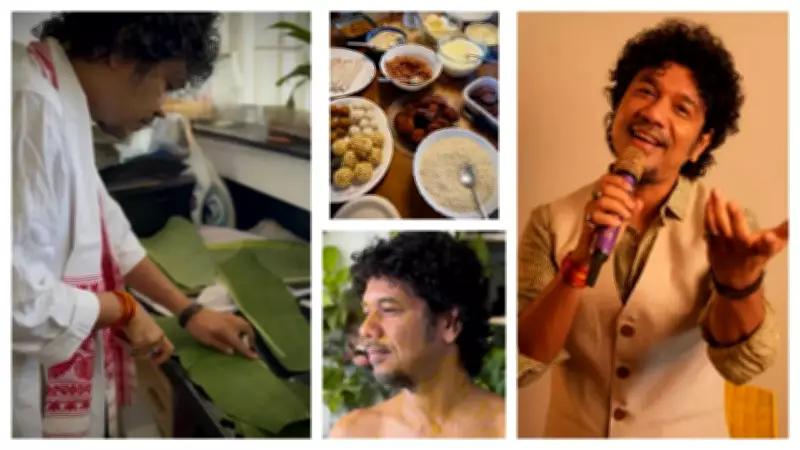
Papon's Intimate Bihu Celebration in Mumbai: A Testament to Tradition and Togetherness
Renowned singer Papon, known for his deep roots in Assamese culture, chose to observe the vibrant festival of Bihu this year not in his home state of Assam, but in the bustling city of Mumbai. While the large-scale celebrations and traditional fervor of Assam were absent, Papon ensured the festival's spirit thrived through a warm, personal gathering with close family and friends.
A Small Yet Meaningful Affair
In an exclusive reflection, Papon described the event as "a small but meaningful affair." He emphasized that despite the physical distance from Assam, the core values of Bihu—togetherness, joy, and gratitude—remained intact. The artiste and his loved ones meticulously observed the basic rituals associated with Rongali Bihu, preserving its cultural essence even miles away from home.
Preserving Cultural Essence Through Rituals and Music
Papon elaborated on the experience, stating, "Bihu has always been about togetherness, joy, and gratitude. Of course, being away from Assam, you miss the scale and the energy of it all, but festivals are truly about the people you’re with. This year, it’s a small celebration with my family and friends here in Mumbai, but the emotions remain just as strong." He highlighted how they carried out traditional customs, followed by singing, cooking, and sharing food and music, which created a heartfelt connection to their homeland.

The evening was characterized by lively music performances, home-cooked Assamese delicacies, and shared moments of laughter and camaraderie. Participants engaged in activities reminiscent of typical Bihu celebrations in Assam, such as communal singing and feasting, fostering a sense of belonging and cultural continuity.
Traditions Transcending Geography
This intimate celebration underscored a powerful message: traditions can transcend geographical boundaries. The essence of festivals like Bihu is rooted in human connection and shared experiences, rather than solely in location. Papon's approach demonstrated how cultural practices can be adapted and cherished anywhere, as long as the core values of community and heritage are upheld.
By prioritizing rituals and togetherness, Papon's Mumbai gathering served as a poignant reminder that festivals are not confined to specific places but thrive through the bonds we nurture. This event highlights the resilience of cultural traditions in modern, urban settings, offering inspiration for others celebrating away from their native regions.