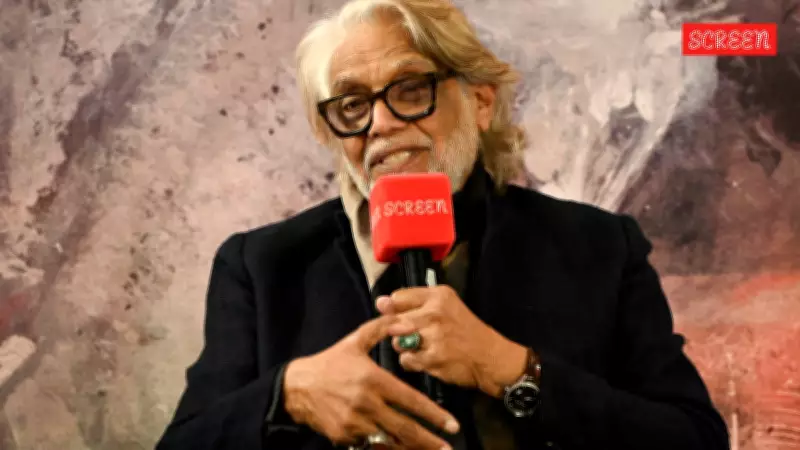
Muzaffar Ali Reflects on Bollywood's Lost Art of Poetic Cinema
In an era where Bollywood films and songs often resemble fleeting content crafted for quick consumption and rapid returns, the work of legendary filmmaker Muzaffar Ali stands as a poignant reminder of a cinema that breathed poetry, music, and soul. The acclaimed director, painter, and author, whose masterpieces like Umrao Jaan, Gaman, and Anjuman are indelibly etched in cinematic history, believes the deeply immersive artistic experiences of his time are nearly impossible to recreate in today's fast-paced industry.
The Struggle to Capture Ganga-Jamuni Tehzeeb
At the 11th edition of Expresso on Culture, Ali delved into why modern Bollywood grapples with capturing the harmonious blend of narrative, music, and cultural richness that defined classics like Umrao Jaan. He emphasized that the Ganga-Jamuni tehzeeb, a syncretic culture symbolizing unity, remains alive in spirit but struggles to find expression on contemporary screens. "This is the future everyone is facing, and there needs to be a collective solution," Ali stated, highlighting the need for individual depth and collective effort to preserve artistic heritage.
He contrasted today's cinema, often marked by hyper-nationalism and community divides, with the inclusive ethos of his films. "The fakir, the ascetic, saw beauty in everything, he saw love in all things. If the heart recognises Krishna in everything, he becomes a devotee of Krishna," Ali explained, urging a focus on beauty as an abstract human attribute beyond religious labels. He noted that music, as a confluence of diverse elements, cannot be erased because it embodies heartfelt contributions from people across backgrounds.

Artistic Patronage and Global Recognition
Ali stressed that the Ganga-Jamuni culture endures through traditions and historical examples, such as the patronage under figures like Wajid Ali Shah, where arts like Kathak and thumri flourished. "Such patronage is vital for art—it could come from a Muslim patron or a Hindu ruler. Bollywood must learn this if it seeks global recognition," he asserted. He warned that India's larger global positioning risks being undermined by petty distractions, which may sustain business but not achieve meaningful acknowledgment.
Trusting in India's unique artistic heritage is crucial, Ali argued. "What can be created in India, born here, cannot happen in Pakistan, Iran, Turkey, or anywhere else. If we lose faith in our heritage, in our human resources, what will remain of us?" He advocated for viewing life within a broader artistic atmosphere to nurture creativity.
The Immersive Process Behind Iconic Songs
When discussing unforgettable songs from his films, such as "Seene Mein Jalan" or "Aapki Yaad Aati Rahi", Ali revealed a meticulous, immersive creative process. "I dream of the character first. I look at their soul, their dynamic trajectory through life, and then immerse them into a poetic concept," he shared. He lamented that commercial Bollywood lacks time for such depth, crediting collaborators like poet Shahryar and composers Khayyam and Jaidev for their dedication.
Ali emphasized that true beauty stems from deep, immersive experiences involving the entire team. "You submerge yourself and bring others along, without them realizing it. Music must be treated this way; otherwise, it doesn't live," he said. He contrasted this with today's disposable songs, noting that classics like those in Umrao Jaan remain timeless and indelible.
4K Restorations and the Metaphor of Beauty
Ali expressed excitement over the 4K restoration of his films, including Umrao Jaan, Gaman, and Anjuman, calling it a special feeling. When asked if audiences would still connect with Umrao Jaan today, he responded with a powerful metaphor: "Not all horses run in a race; some are worshipped, adorned. What is the use of forcing everyone to run? Beauty must remain in the heart." This encapsulates his belief that not all art needs to chase commercial success, as some creations are meant to be cherished for their intrinsic value.

In summary, Muzaffar Ali's insights highlight a critical gap in modern Bollywood's approach to storytelling, where the rush for quick returns overshadows the poetic depth and cultural harmony that once defined Indian cinema. His call for a return to immersive artistry and trust in heritage serves as a guiding light for an industry at a crossroads.