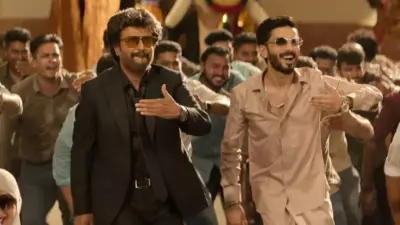
Mirchi at 13: The Film That Paved Prabhas' Path to Baahubali Stardom
Today, as Mirchi marks its 13th anniversary, it is essential to reflect on why this Koratala Siva directorial holds such significance in the narrative of Prabhas' evolution into a pan-India superstar. Released on February 8, 2013, Mirchi was not merely another commercial success; it served as a crucial turning point that concluded one era and laid the groundwork for everything that followed in Prabhas' illustrious career.
Prabhas' Romantic Comedy Phase: Building a Broader Audience
Between 2010 and 2013, Prabhas ventured into the romance genre, a strategic move that expanded his fanbase beyond his action-hero image. Films like Darling in 2010, which earned him an enduring nickname, Mr. Perfect in 2011, and Mirchi in 2013 demonstrated his ability to excel in family entertainers. These projects attracted a diverse audience that appreciated his versatility, setting the stage for his future endeavors.
In Mirchi, directed by debutant Koratala Siva, Prabhas portrayed Jai, an architect from Milan who returns to India with a mission to resolve his family's violent feuds through non-violent means. This role showcased his emotional depth and earned him the Nandi Award for Best Actor, his first major acting accolade. This recognition validated his craft beyond mere box office appeal, with the film grossing over Rs 80 crore worldwide, ranking among the top-grossing Telugu films of 2013.

Why Mirchi Was a Catalyst for Baahubali
Mirchi holds a unique place as Prabhas' final film before his career transformed with Baahubali. Two years later, he committed five years to the epic saga, a decision that might have been less feasible without the foundation Mirchi provided. The film proved three critical aspects:
- Solo Screen Presence: Prabhas could captivate audiences for over two hours without relying on an ensemble cast.
- Emotional Complexity: He handled nuanced emotional scenes, a skill essential for the demanding role in Baahubali.
- Broad Appeal: His charm extended to family audiences, broadening his demographic reach.
This period of romantic films was not just a phase but a strategic expansion of his fanbase. The audiences who discovered him through Darling, Mr. Perfect, and Mirchi remained loyal as he transitioned to epic roles, contributing to the cross-demographic success of Baahubali.
Mirchi's Legacy in Prabhas' Career Trajectory
Thirteen years later, Prabhas operates on a global scale, with films like Salaar and Kalki 2898 AD opening to over Rs 100 crore on their first days. Despite the larger budgets and wider markets, Mirchi remains a personal touchstone for fans, representing the last time before his career escalated to pan-India stardom. It encapsulates the essence of Telugu cinema of that era, with its family honor conflicts, exaggerated action choreography, and sentimental mother themes, yet it delivered memorable moments such as the interval twist and the chemistry between Prabhas and Anushka Shetty.
As Prabhas undertakes projects with Hollywood-level ambitions, Mirchi serves as a reminder of his roots and the proof he provided. Without this film, would S.S. Rajamouli have cast him in Baahubali? Without the emotional groundwork laid in Mirchi, would audiences have connected with Amarendra Baahubali's story? The film demonstrated Prabhas' ability to balance mass hero appeal, romantic lead charisma, and emotional performance, giving him the confidence and industry backing to reach greater heights.
From Mirchi to Kalki 2898 AD, the scale has expanded, but Prabhas' dedication remains consistent. This film was the moment he proved ready for the challenges ahead, paving the way for the Baahubali phenomenon and unprecedented success in Indian cinema.