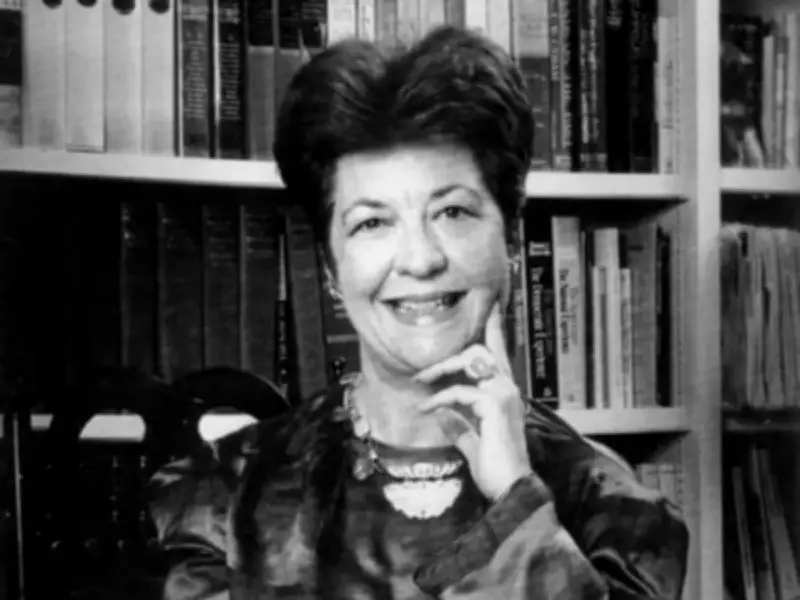
Before computers made editing easy, typos were a major challenge for typists. A single wrong keystroke could ruin an entire page, forcing secretaries in the 1950s to rewrite the whole document. Bette Nesmith Graham, an employee in an accounting department, faced this daily. One day, she noticed painters covering their mistakes with paint instead of erasing them. This simple observation led to an incredible innovation: Liquid Paper correction fluid.
A Simple Observation Changed How Errors Are Fixed
The idea was not a grand lab breakthrough but a practical trick that changed typing history. According to the Lemelson-MIT Program, Graham developed the concept after watching painters. Instead of removing ink, she used white liquid to mask typing errors. Experts note that many inventions borrow from other disciplines. Graham applied art techniques to the office, increasing efficiency and reducing stress for millions.
Journey from Secretary to Inventor and Founder
Graham's personal fix soon became a business. She started making Liquid Paper at home and founded a company in 1956. The United States Patent and Trademark Office (USPTO) recognizes her as both inventor and entrepreneur. As a single parent, she built a business empire. Liquid Paper became essential for typewriter users, allowing secretaries to correct mistakes without losing rhythm.

According to the USPTO, large corporations were slow to see its potential. In 1957, IBM refused to market the product but later became a major buyer. This shows that valuable ideas often take time to gain recognition.
Why the Invention of Correction Liquid Mattered
Liquid Paper impacted nearly all office workers. Without it, people had to retype entire pages due to simple errors, wasting time and paper. The product became a necessity in American offices, driven by consumer demand rather than market trends. Documentation at the University of North Texas shows how Liquid Paper evolved into a company, not just a quick fix, becoming part of typing history.
Graham's Personal Experience with Liquid Paper
In a 1979 interview with the University of North Texas, Graham shared the difficulties and successes of her invention. Her story reveals that many great inventions start as practical solutions to common problems. Interestingly, her son Michael Nesmith became a member of the band The Monkees.
While the invention solved office problems, its commercial success brought personal challenges. According to the USPTO, her second marriage ended, and her ex-husband, as board chairman, tried to change the formula and strip her of royalty rights.
Bette Nesmith Graham Had No Grand Goals
Graham's journey exemplifies pragmatic innovation. She paid attention to her surroundings and sought efficient solutions. Liquid Paper became a standard product for typewriters, remaining popular until computers made it obsolete. It stands as a prime example of the power of simple ideas.