Lithuanian Singer's Awkward X Factor Audition Becomes Global Viral Meme
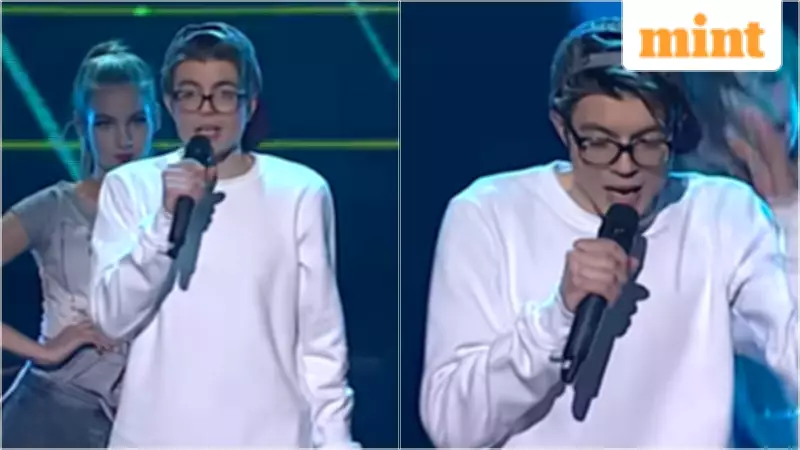
A video clip from a 2015 episode of X Factor Lithuania has unexpectedly exploded into a massive social media trend, captivating audiences worldwide with its blend of humor and human vulnerability. Lithuanian singer Jonatanas Kazlauskas has recently opened up about the backstory behind his now-iconic performance of Justin Bieber's hit song Sorry, which has been resurrected from obscurity to become a viral meme phenomenon.
The Audition That Captured the Internet's Attention
Originally aired in 2015 and uploaded to the official X Factor Lithuania YouTube channel on January 4, 2016, the audition footage shows Jonatanas struggling through his rendition of Sorry. In the clip, he falters with the lyrics, engages in awkward dance moves, and repeatedly utters "sorry" as he attempts to persevere. The judges' reactions—ranging from hiding their faces to offering sympathetic applause—only amplified the cringe-worthy yet endearing nature of the moment.
For years, the video maintained a modest following, accumulating over 1.1 million views by 2026. However, its fate changed dramatically in late January of this year when a TikTok user posted the clip with the caption "Justin Bieber from 'Temu'." Within days, it skyrocketed to millions of views and spread rapidly across platforms like Instagram and TikTok, igniting a wave of creative engagement.

From Meme to Redemption: The Social Media Transformation
The resurgence has transformed Jonatanas's awkward audition into a full-blown meme culture phenomenon. Fans and creators have embraced the clip, pairing it with humorous captions such as "Bro's just apologising" and crafting remixes that transition from the cringe moment into unrelated content like video game highlights or comedic reaction videos. A popular trend includes Accuracy Reenactment videos, where users meticulously recreate the scene, while others compile the most awkward snippets into short, viral edits.
Beyond the laughter, this viral wave has also sparked a redemption arc narrative for Jonatanas. Social media users have begun sharing his more polished performances from the same X Factor season alongside the original audition, highlighting his genuine singing talent and framing the trend as a story of resilience and growth.
Jonatanas Reveals the Stress Behind the Performance
In a recent interview referenced by The Tab, Jonatanas candidly explained the circumstances that led to his struggles during the audition. He revealed that extreme stress and limited preparation time were key factors, noting he had only a few days to learn the song and was so overwhelmed that he was hospitalized with stress the week before his performance. "I got popular too fast," he admitted, reflecting on the intense pressure he faced at the time.
Despite the awkward audition, Jonatanas was not eliminated immediately. Public votes kept him in the competition until the seventh week, and he later delivered other songs that were better received. "I had lots of people who like my performances before," he said, emphasizing that viewers continued to support him even after the Sorry moment.
The Cultural Impact of Viral Authenticity
This phenomenon underscores how social media can resurrect and reframe old moments in unpredictable ways. A decade-old clip now resonates with a global audience not for its musical perfection, but for its raw authenticity and relatability—capturing a singer nervously trying his best under immense pressure.
While many find the trend hilariously entertaining, others see a deeper connection in Jonatanas's efforts, viewing the performance as a symbol of perseverance through failure. As one meme creator commented, it embodies the universal experience of trying, faltering, and carrying on—a narrative that many find both funny and oddly uplifting.
Whether appreciated for its comedic value or its heartfelt story, this viral trend demonstrates how a single, vulnerable moment from a live show can echo across the world years later. It reminds audiences that sometimes, it is the very act of vulnerability that becomes the most shared and impactful performance of all.