Lawsuit Alleges Safety Failures at Donny Osmond Las Vegas Show
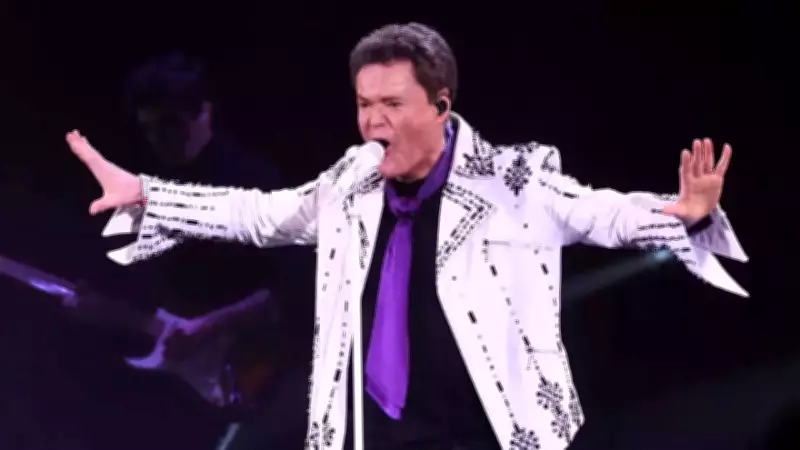
A serious lawsuit has been filed against legendary entertainer Donny Osmond and Harrah's Las Vegas after a concert attendee claims she sustained severe injuries from an oversized inflatable ball tossed into the audience during one of his performances. The case highlights significant concerns about audience safety protocols at interactive live events.
Details of the Incident and Injuries
According to legal documents obtained by PEOPLE magazine, Joanne Julkowski traveled from Illinois specifically to attend Osmond's long-running Las Vegas residency at Harrah's. During the February 15, 2024 show, one of the glowing, oversized balls—affectionately nicknamed "Donny Balls" by fans—struck Julkowski in the back of her head with considerable force.
The impact resulted in a traumatic injury to her right eye, including a retinal detachment that required immediate surgical intervention. Julkowski reports experiencing persistent head and neck pain, ongoing vision problems, and significant emotional distress following the incident. Medical professionals indicate she may require additional procedures in the future to address the lasting effects of her injuries.

Legal Allegations and Safety Concerns
The lawsuit names Donny Osmond, his production company, and Harrah's Las Vegas as defendants, alleging multiple failures in safety management. Julkowski's legal team contends that the defendants:
- Failed to properly hire, train, and supervise staff responsible for interactive show elements
- Did not implement adequate safety measures for launching large props into crowded audiences
- Operated in dim lighting conditions without sufficient warnings to concertgoers
- Prioritized entertainment value over patron safety
"Ms. Julkowski went to the Donny Osmond show expecting a fun, family‑friendly experience and instead left with serious, life‑altering injuries that continue to affect her daily life," stated her attorney Lindsay Roginski in an official statement. "It is unacceptable for a venue and a performer to place entertainment value over the safety of their patrons and fans."
Financial and Emotional Damages Sought
While the lawsuit lists a base claim of USD 15,000—the minimum threshold for such cases in Nevada—Julkowski is also seeking punitive damages. These additional damages could substantially increase the financial liability if the court determines the defendants acted with recklessness or gross negligence. Beyond monetary compensation, the legal filing emphasizes the profound emotional toll, including anxiety, distress, and diminished quality of life resulting from the incident.
Context of Interactive Concert Elements
Donny Osmond's Las Vegas residency at Harrah's, which began in 2021, is renowned for its high-energy performances and nostalgic appeal, with audience participation serving as a central attraction. The use of inflatable props during concerts is not unique to Osmond's shows; numerous artists incorporate similar interactive elements to engage crowds. However, this lawsuit brings renewed attention to the potential risks associated with such practices and raises important questions about how venues and performers balance entertainment with safety obligations.
Current Status and Industry Implications
As of now, neither Donny Osmond, Harrah's Las Vegas, nor their parent company Caesars Entertainment has issued public statements regarding the lawsuit. There has been no indication of changes to safety protocols at Osmond's ongoing shows. The case continues to develop within the legal system, with potential implications for how concert venues nationwide approach audience interaction and risk management during live performances.
Disclaimer: The information presented in this article is based on legal allegations documented in court filings and reported by third-party sources. These details represent claims made by the involved parties and have not been proven as facts in court. The case remains ongoing, and no final verdict has been reached.