Laura Dern Reveals Intense Backlash After Ellen DeGeneres's Historic 1997 Coming-Out Episode
In a recent interview, actress Laura Dern has disclosed that the backlash following Ellen DeGeneres's landmark 1997 coming-out on network television was far more severe than many viewers understood at the time. Speaking on the Las Culturistas podcast, Dern recounted a period marked by bomb threats, lost sponsorships, and heightened security measures in the aftermath of the iconic sitcom episode.
The Episode That Changed Television History
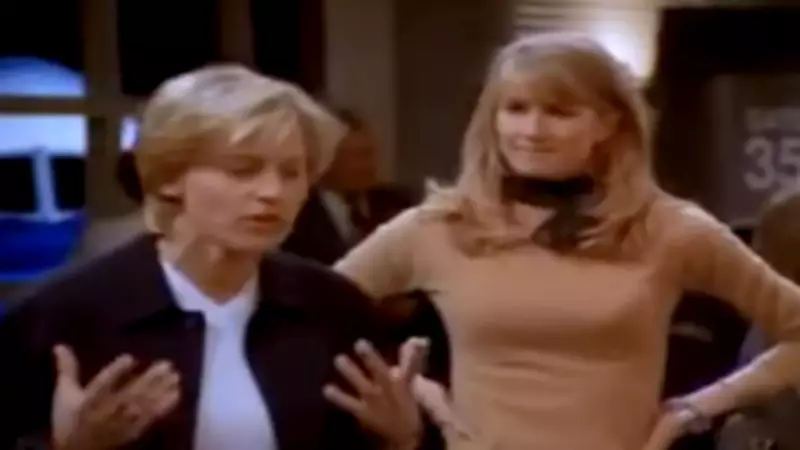
In April 1997, Laura Dern played Susan, the character who helps Ellen Morgan realize she is a lesbian in the two-part episode of the sitcom 'Ellen.' This moment made Ellen DeGeneres the first lead queer character in U.S. television history, a groundbreaking step for representation. Dern shared that the cast initially believed the episode would foster immediate understanding and acceptance.
"You're going to do this thing and thank God people will wake up, love their relatives and their neighbors, see them, everything will expand, culture will catch up, and it will be a beautiful celebration," Dern recalled thinking.
—

A Hostile Reaction and Security Concerns
Instead of celebration, the reaction turned hostile. Dern described the week after the episode aired as "crazy," detailing incidents that included bomb threats, the loss of sponsors, and advertisers pulling out. She emphasized that guest stars such as Oprah Winfrey and Demi Moore required "major security" in the months that followed, highlighting the dangerous climate.
"The world went, 'No, no, no.' She lost her show. It was, you know, it took years," Dern said, referring to the cancellation of 'Ellen' after the coming-out episode.
Reflecting on the Cultural Impact
Dern also reflected on the emotional weight of filming the episode, particularly the moment when Ellen Morgan confesses her feelings. She described it as a profound experience, saying, "Looking in my eyes, saying for the first time, out loud, with people watching. The privilege, the luxury of feeling it for someone in a moment was so beautiful. It was one of the most incredible experiences of my life."
Years later, the full impact became clear when members of the Gay Men's Choir of Los Angeles approached her. They shared how the episode had touched them as children, reinforcing the importance of pushing cultural boundaries.
"And you go, 'Oh right. That's why you want culture to catch up later.' That is culture. Culture is doing it when nobody's caught up. I mean, it's just such a gift," Dern added.
Background on the Key Figures
Ellen DeGeneres, born January 26, 1958, in Metairie, Louisiana, is a retired American comedian, actor, TV host, writer, and producer. She rose to fame through stand-up comedy, broke out on 'The Tonight Show Starring Johnny Carson,' and starred in the sitcom 'Ellen.' Her 1997 coming-out made television history, and she later hosted 'The Ellen DeGeneres Show' from 2003 to 2022, while also voicing Dory in 'Finding Nemo' and 'Finding Dory.'
Laura Dern, born February 10, 1967, in Los Angeles, is an Oscar-winning actor and producer known for roles in films like 'Jurassic Park,' 'Marriage Story,' and 'Big Little Lies.' Her participation in the 1997 episode remains a significant part of her career, showcasing her commitment to impactful storytelling.
This revelation underscores the challenges faced by pioneers in entertainment and the lasting legacy of courageous acts in media. The episode not only marked a turning point for LGBTQ+ representation but also highlighted the societal resistance that often accompanies progress.