KD: The Devil Song Sparks Widespread Backlash Over Lyrics and Visuals
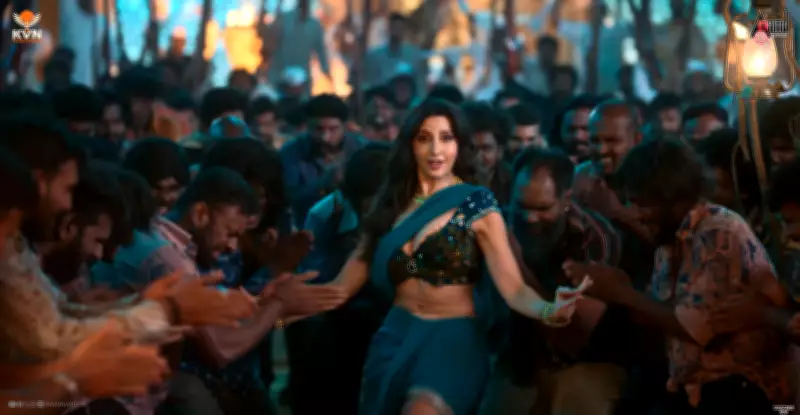
The recently released lyrical video for Sarse Ninna Seraga Sarse from the upcoming film KD: The Devil has ignited a firestorm of criticism across social media platforms. Featuring stars Dhruva Sarja, Reeshma Nananaih, Shilpa Shetty, Nora Fatehi, and Sanjay Dutt, the promotional content has been labeled by numerous netizens as vulgar and regressive, sparking intense debate about representation in mainstream cinema.
Netizens Decry Regressive Stereotypes and Male Gaze
Within hours of the song's release, a significant portion of online viewers expressed strong disapproval. Many argued that the track reinforces outdated stereotypes about women, disguising problematic portrayals as mass entertainment. Critics specifically highlighted:
- The lyrics being perceived as objectifying and insensitive
- Choreography and styling that appears designed for the male gaze rather than narrative purpose
- A continuation of normalized, problematic depictions in big-budget films featuring major stars
Several social media users questioned whether commercial appeal is being prioritized over sensitivity and the evolving expectations of modern audiences, noting that such content from high-profile projects can have wider cultural implications.

Director Prem Defends Creative Choices, Calls Backlash Premature
In an exclusive conversation with Bangalore Times, director and lyricist Prem has firmly defended the song, describing the widespread outrage as misplaced and premature. He urges audiences to withhold judgment until the complete music video is released, stating that the lyrical video was intended solely to generate curiosity—a standard promotional tactic in the film industry.
If one's angle of view is right, they won't take this song the wrong way. Why is it that whenever a woman is involved, people assume the worst? Prem questioned, emphasizing that context is crucial. He maintains that he is open to constructive criticism, but only after the full visual context is available to viewers.
Metaphorical Meaning and Translation Challenges
Addressing specific concerns about the song's lyrics, Prem explained that metaphor and wordplay are central to the composition, elements he believes are being overlooked. The entire song revolves around the metaphor of a bottle, with Prem noting that repeating the word explicitly would diminish its artistic impact.
He pointed to key lines to illustrate deeper meanings:
- Kaiyal baatlu antha manevargo thakkondu hogbedi... – A caution against bringing drinking habits back home
- Meese hotthorigella, naan ondu question kella... – Where the character questions men about seeking time outside when a loving wife awaits
Prem insists these nuances are lost in quick judgments and that the full video will provide necessary context to properly understand the metaphors employed.
Censorship and Responsibility in Film-making
When questioned about accountability, Prem clarified that he does not dismiss criticism outright but trusts existing regulatory systems. We have the Censor Board for a reason. I trust them and will stand by their decision, he stated. He also noted that while the Hindi version of the song has been taken down, he is not directly involved in that release, as a separate team handles Hindi adaptations. The Kannada original will remain available.
Reiterating his stance, Prem affirmed that his primary intent is entertainment, not offense. He acknowledges that a small section may label the song negatively but stands by his creative vision, asserting that no harm was intended in the artistic process.
The controversy highlights ongoing tensions between creative expression, commercial demands, and social responsibility in Indian cinema, particularly regarding the portrayal of women in high-visibility projects.