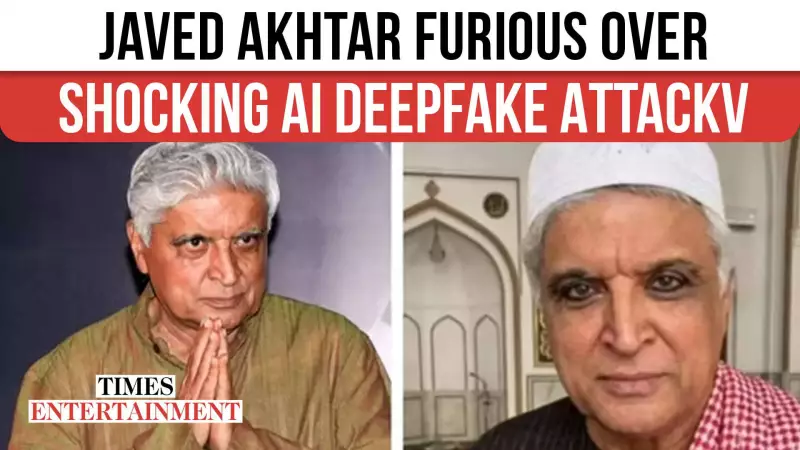
Veteran lyricist and screenwriter Javed Akhtar has launched a scathing attack on a viral AI-generated deepfake video, labeling it as "absolute rubbish" and indicating he may file a formal complaint with the cyber police. The incident, which came to light on January 2, 2026, has intensified the ongoing debate about the malicious use of artificial intelligence to manipulate identities in the public domain.
Akhtar's Furious Reaction to Digital Forgery
Expressing his outrage, Akhtar did not mince words in his condemnation of the fabricated clip. The celebrated writer suggested that his identity was deliberately targeted in this act of digital manipulation. His strong stance underscores a growing frustration among public figures who are becoming victims of sophisticated AI tools that can create convincing but entirely false audio-visual content without their consent.
A Potential Landmark Case for Bollywood
This episode is poised to become a significant test case in India's entertainment industry regarding digital rights, consent, and identity protection. As AI technology becomes more accessible, Bollywood celebrities are increasingly finding themselves at the mercy of deepfakes used for satire, misinformation, or defamation. Akhtar's threat of legal action via a cyber police complaint could set a precedent for how such violations are handled in the future, potentially leading to stricter enforcement of digital laws.

The Broader Implications of AI Misuse
The controversy surrounding Javed Akhtar's deepfake arrives at a time when concerns over AI misuse are reaching a fever pitch globally and within the Indian film industry. This incident highlights several critical issues:
- Lack of Consent: The creation and distribution of deepfakes without the subject's permission is a fundamental violation of personal autonomy.
- Identity Attack: As Akhtar stated, such acts are deliberate attacks on a person's digital identity and reputation.
- Legal Grey Areas: Existing cyber laws in India are continually challenged by the rapid evolution of deepfake technology, making prosecution complex.
Akhtar's public denouncement and planned legal recourse signal a pushback that many in the industry are watching closely. It emphasizes the urgent need for clear regulations, public awareness, and technological safeguards to combat the unethical use of AI, which threatens not just celebrities but ordinary citizens as well.