Ghooskhor Pandit Controversy Erupts Over 'Yadav Ji Ki Love Story'
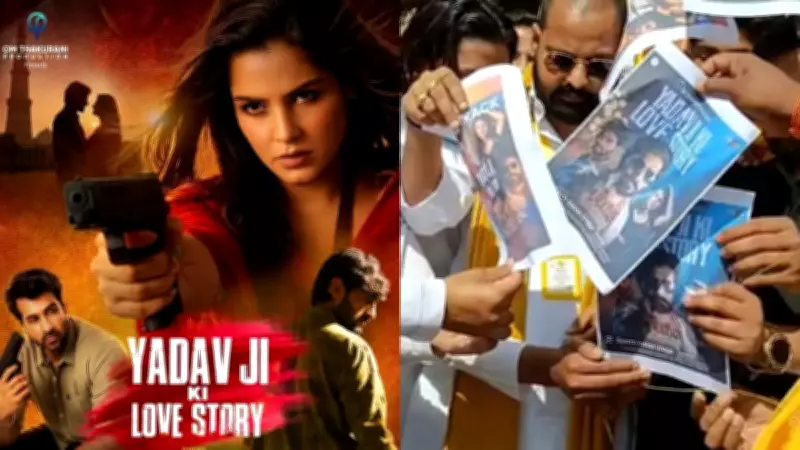
The Bollywood film Yadav Ji Ki Love Story has found itself at the center of a major controversy, sparking widespread backlash and protests across India. The uproar stems from the portrayal of a character named Ghooskhor Pandit, which critics argue promotes harmful stereotypes and offends religious sentiments. This development has ignited a heated debate within the entertainment industry and among the public, raising questions about creative freedom versus cultural sensitivity.
Backlash and Protests Intensify
In recent days, protests have erupted in multiple cities, with demonstrators demanding the removal or alteration of the Ghooskhor Pandit character. Protesters claim that the depiction is derogatory and misrepresents traditional values, leading to calls for boycotts of the film. Social media platforms are flooded with hashtags and discussions, amplifying the controversy and putting pressure on the filmmakers to address the concerns.
The backlash has not been limited to public outcry; several religious and community groups have issued statements condemning the film. They argue that such portrayals can fuel division and disrespect, urging the industry to exercise more caution in its storytelling. This situation highlights the delicate balance filmmakers must strike between artistic expression and societal norms.

Impact on the Film Industry
The controversy surrounding Yadav Ji Ki Love Story has broader implications for Bollywood, as it underscores the increasing scrutiny films face regarding cultural representation. Industry experts note that similar incidents in the past have led to legal challenges and box office setbacks, making this a critical issue for producers and directors. The film's release schedule and promotional activities may be affected, depending on how the situation unfolds.
Moreover, this event has sparked conversations about the role of censorship and self-regulation in cinema. Some advocate for stricter guidelines to prevent offensive content, while others defend creative liberty, emphasizing the need for dialogue rather than censorship. The outcome of this controversy could set a precedent for future productions in India's vibrant film landscape.
Looking Ahead
As the protests continue, all eyes are on the filmmakers and regulatory bodies to see how they will respond. Potential resolutions might include edits to the film, public apologies, or engagement with community leaders to mitigate the backlash. Regardless of the outcome, this episode serves as a reminder of the powerful impact cinema can have on society and the importance of responsible storytelling.
In conclusion, the Ghooskhor Pandit controversy has thrust Yadav Ji Ki Love Story into the spotlight, not for its romantic plot but for the contentious debates it has ignited. It remains to be seen how this will affect the film's reception and what lessons the industry will learn from this experience.