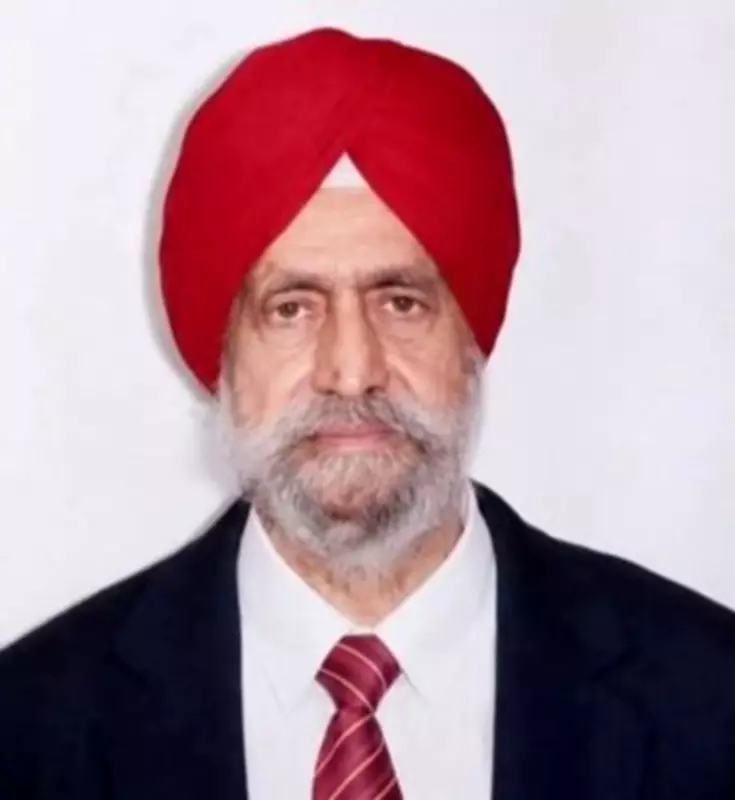
Malwinder Jit Singh Waraich, affectionately known as Ghadari Babian Da Munshi, has emerged as a remarkable custodian of memory, dedicating his life to preserving the legacy of the Ghadar Party and its unsung heroes. His work, spanning decades, has brought to light the stories of countless revolutionaries who fought against British colonial rule.
The Guardian of Ghadar History
Waraich's journey began in the 1970s when he first encountered the rich history of the Ghadar movement. Since then, he has collected thousands of documents, photographs, and personal accounts, ensuring that the sacrifices of these freedom fighters are not forgotten. His efforts have been instrumental in documenting the lives of lesser-known figures who played crucial roles in the independence struggle.
Meticulous Research and Archival Work
Through painstaking research, Waraich has uncovered rare manuscripts, letters, and official records that shed new light on the Ghadar Party's activities. He has also interviewed descendants of revolutionaries, piecing together a comprehensive narrative of the movement. His archive, housed in a modest building in Punjab, is a treasure trove for historians and researchers.

Reviving Forgotten Stories
One of Waraich's most significant contributions is his work on the Komagata Maru incident, which he has documented extensively. He has also highlighted the role of women in the Ghadar movement, such as the contributions of Bhai Bhagat Singh's mother and other unsung heroines. His publications include several books and articles that have become essential references for scholars.
Challenges and Recognition
Despite facing financial constraints and lack of institutional support, Waraich has remained undeterred. His dedication has earned him recognition from academic institutions and cultural organizations. However, he believes that much more needs to be done to ensure that the legacy of the Ghadar movement is passed on to future generations.
Impact on Contemporary Scholarship
Waraich's work has inspired a new generation of historians to delve into the Ghadar movement. His archives have been used by researchers from around the world, contributing to a deeper understanding of India's freedom struggle. He continues to advocate for the establishment of a dedicated museum and research center for Ghadar history.
In his own words, Waraich says, 'The Ghadar movement was not just about a few individuals; it was a mass movement that involved countless brave souls. My mission is to ensure that their sacrifices are never forgotten.' His relentless efforts serve as a testament to the power of individual dedication in preserving collective memory.