From Prison to Hollywood: The Incredible Redemption Story of Danny Trejo
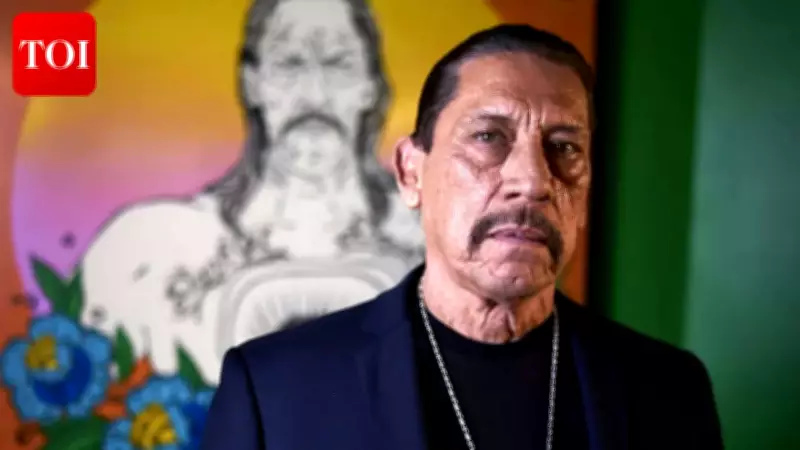
Few Hollywood narratives carry the raw power and transformative impact of Danny Trejo's extraordinary life journey. This is the story of a man who emerged from the depths of criminality and chaos to reinvent himself as one of cinema's most recognizable tough guys. With his leather vest, tattooed physique, and weathered face that tells stories without words, Trejo carries his past visibly yet refuses to let it dictate his future.
The Early Years: A Childhood Shaped by Adversity
Born in Los Angeles in 1944, Danny Trejo's life began with significant challenges. Growing up in a tough Mexican American neighborhood where violence was commonplace, Trejo faced instability from his earliest days. His father, Dionisio, had fled to California after stabbing someone in Texas before eventually turning himself in and disappearing from Danny's life.
After his father's departure, Trejo moved to his grandmother's house, sharing a room with cousins and forming a close bond with his uncle Gilbert, who was barely older than Danny himself. Gilbert became more of an older brother than an authority figure, teaching Danny how to box but also leading him down dangerous paths. By age eight, Trejo had experimented with marijuana, and at just twelve years old, he shot heroin for the first time under Gilbert's influence.

"He was the cool one," Trejo recalled. "He always had a fat wad of cash."
Descent into Crime and Incarceration
The pattern of trouble began early, with Trejo's first arrest occurring around age ten. Throughout his teenage years, drugs, robbery, and gang involvement became routine aspects of his life. Juvenile detention centers and eventually adult prisons became familiar territory as addiction took firm hold. Trejo and Gilbert began robbing and dealing drugs to support their habits.
By eighteen, Trejo experienced his first adult incarceration, with cocaine addiction compounding his existing struggles. Throughout the late 1950s and 1960s, he cycled between freedom and imprisonment, facing charges for assault, theft, and various drug offenses. At twenty-one, he received an eleven-year sentence for selling heroin to an undercover agent, plunging him into the brutal reality of maximum-security prisons.
Prison Survival and the Turning Point
Prison life proved particularly harsh for the young Trejo. During one county jail stay in 1961, he even crossed paths with Charles Manson, who would later become infamous for forming the Manson Family cult. After temporary releases, Trejo only sank deeper into criminal activity, participating in liquor store robberies with live grenades, drive-by shootings, and violent altercations.
"We had a lot of pistols, and you really don't want to mess with someone who's got a lot of pistols," Trejo explained. "People aren't scared of tough guys. People are scared of crazy people."
The year 1965 marked a significant turning point when Trejo received a ten-year sentence in California's toughest prisons: Folsom, Soledad, and San Quentin. Life inside these institutions was a constant nightmare of gang violence, drugs, and the ever-present threat of death. Boxing skills learned from his uncle became essential for survival, with Trejo becoming lightweight and welterweight champion in every prison he entered.
In 1968, during a prison riot at Soledad State Prison, Trejo accidentally struck a guard with a rock while fighting other inmates. This single moment plunged him into solitary confinement for three months and brought the threat of the death penalty for attempted murder. Alone in his cell at just twenty-four years old, Trejo experienced his life-altering epiphany.
"God, if you're there, then it's going to be alright. And if you're not, I'm screwed," he prayed, marking what he considers the definitive turning point in his life.
The Path to Recovery and Rebuilding
While awaiting his fate in solitary confinement, Trejo joined a twelve-step recovery program and committed to changing his life's direction. In a remarkable twist, none of the three thousand inmates came forward to support the charges against him, and the accusations didn't stick. Released on parole in August 1969, Trejo emerged determined to avoid returning to his former ways.

During the early 1970s, Trejo began working as a drug counselor, helping others avoid the pitfalls of addiction and crime that had defined his own youth. He embraced the philosophy that every positive development in his life began with helping someone else first. This commitment to service would unexpectedly lead him to Hollywood.
An Accidental Acting Career
Trejo's entry into acting happened entirely by chance. While working various odd jobs and attending recovery meetings, he began taking extra roles, typically cast as tough gang members due to his appearance. In 1985, while visiting the set of 'Runaway Train' to support a young man he was mentoring through cocaine addiction, filmmakers noticed Trejo's distinctive look.
His prison tattoos caught the attention of a screenwriter who had also served time at San Quentin, and Trejo was asked to appear as an extra in a prison scene. His boxing background led to additional work training actor Eric Roberts for fight sequences. This initial opportunity created momentum, with directors and casting agents beginning to recommend Trejo for various roles.
Hollywood Success and Legacy
As Hollywood opportunities multiplied, Trejo gradually transitioned from small parts to more significant roles, eventually working alongside stars like Al Pacino and Nicolas Cage. The 2010 film 'Machete,' written specifically for him, became a box office success and solidified his status as a cult action hero.
Over the years, Trejo has appeared in hundreds of films and television shows, including 'Heat,' 'From Dusk Till Dawn,' and the 'Spy Kids' series. While famous for portraying tough antiheroes, he has become equally renowned for his genuine compassion and dedication to helping others. He regularly visits prisons, recovery centers, and youth programs, sharing his story as proof that transformation is possible at any stage of life.
Trejo's journey from facing the death penalty to walking red carpets remains one of Hollywood's most inspiring redemption stories. His documentary, 'Inmate 1: The Rise of Danny Trejo,' chronicles this remarkable transformation, while his ongoing commitment to service demonstrates that true success extends far beyond cinematic achievements.