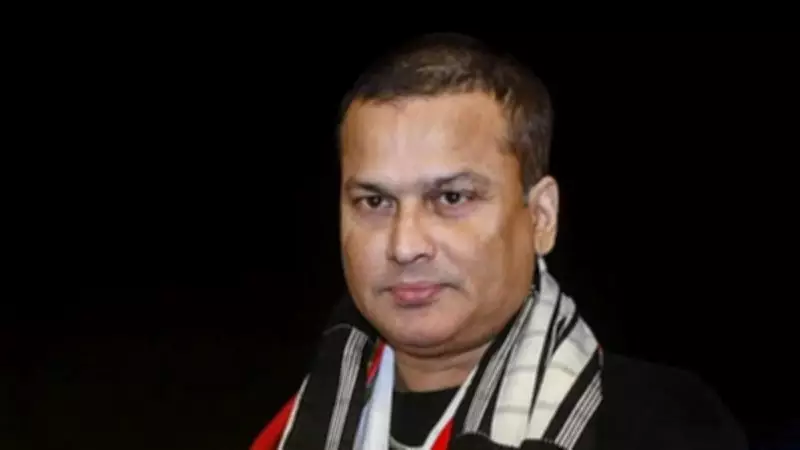
A court has delivered a significant ruling in the ongoing investigation into the tragic death of renowned singer-composer Zubeen Garg, rejecting the bail plea of three individuals accused in connection with the case. This decision marks a crucial development as authorities continue to probe the circumstances surrounding the artist's untimely demise.
Details of the Court's Decision
The judicial body firmly denied the bail applications submitted by the three accused, underscoring the seriousness of the allegations and the need for a thorough investigation. Legal experts suggest that this move indicates the court's intent to ensure that the accused remain available for questioning and further legal proceedings without obstruction.
Background of Zubeen Garg's Death
The 52-year-old musical icon, celebrated for his contributions to Assamese and Indian music, passed away on September 19, 2025, while swimming in the sea. The incident occurred in Singapore, where Garg had traveled to participate in the North East India Festival (NEIF), an event showcasing the cultural richness of India's northeastern states.

His sudden death sent shockwaves through the entertainment industry and among his countless fans, prompting immediate investigations by both Singaporean and Indian authorities. Initial reports indicated that the swimming accident was under scrutiny, but as details emerged, suspicions arose, leading to the involvement of multiple accused parties.
Implications of the Bail Rejection
The court's refusal to grant bail is seen as a step toward ensuring justice in this high-profile case. It highlights the judicial system's commitment to addressing potential negligence or foul play that may have contributed to Garg's death. Family members and supporters of the artist have expressed relief at this development, hoping it will pave the way for a transparent and fair investigation.
Authorities are reportedly examining various aspects, including safety measures at the event, the conditions of the swimming area, and the roles of the accused in organizing or overseeing activities during the festival. The rejection of bail suggests that the court finds substantial evidence or concerns warranting the continued detention of the accused as the probe advances.
Reactions from the Community and Industry
News of the court's decision has sparked widespread discussion across social media and news platforms, with many advocating for stringent action to prevent similar tragedies in the future. Fellow artists and cultural figures have called for enhanced safety protocols at international events, emphasizing the need to protect performers and attendees alike.
As the case progresses, further hearings are expected to shed more light on the specific charges against the accused and the evidence gathered by investigators. The outcome could have lasting implications for event management standards and legal accountability in cross-border cultural exchanges.