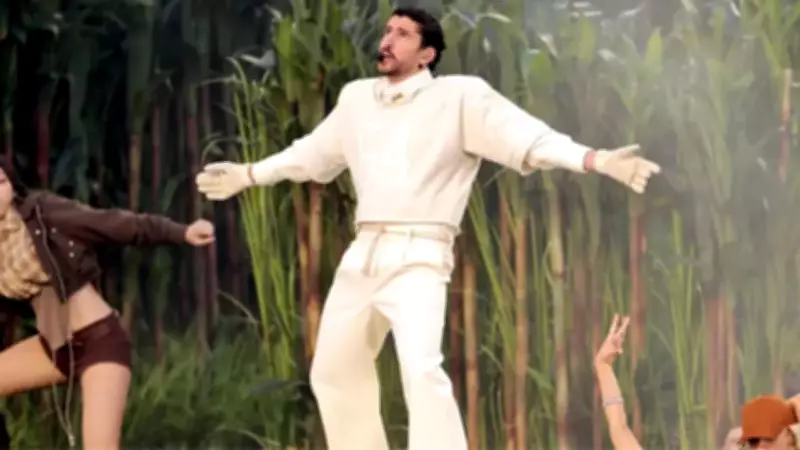
Bad Bunny's Super Bowl Halftime Performance Creates Cultural Landmark
The Super Bowl halftime show is traditionally known for its spectacular visual displays and high-energy performances. However, this year's edition at Super Bowl LX transcended mere entertainment to deliver a profound cultural statement. Puerto Rican superstar Bad Bunny not only took center stage but also masterfully wove together music, heritage, and social commentary, capturing global attention that resonated long after the game concluded.
From Touchdowns to Symbolism: A Shift in Conversation
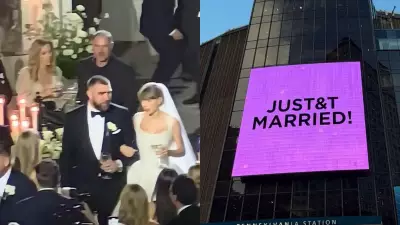
Within hours of the final whistle, discussions shifted from football scores to deeper themes of identity, artistic expression, and cultural representation. This occurred against a backdrop where celebrity influence on culture is increasingly scrutinized, exemplified by the NFL's expanded cultural reach through high-profile relationships like that of Travis Kelce and Taylor Swift. Bad Bunny's performance stood out as a deliberate, thoughtful intervention in this landscape.
Unprecedented Viewership Numbers and Authentic Storytelling
The sheer scale of the audience underscores the moment's significance. Nielsen data confirmed Super Bowl LX averaged 125.6 million viewers, ranking among the most-watched games in history. Remarkably, Bad Bunny's halftime performance surpassed even that figure, drawing an average of 128.2 million viewers between 8:15 and 8:30 p.m. ET, making it the night's peak attraction.

Rather than relying on flashy pyrotechnics or futuristic visuals, the performance embraced cultural authenticity. The stage featured dancers dressed as laborers in traditional straw hats, a vibrant pink casita set, and a detailed recreation of Brooklyn's iconic Caribbean Social Club Toñita's. The appearance of bar owner Maria Antonia Toñita Cay added a layer of emotional depth and community pride, grounding the spectacle in real-world narratives.
Powerful Messages and Political Resonance
The performance's climax delivered a poignant social message. Stadium screens displayed the statement, "The only thing more powerful than hate is love," while a unity-themed football prop served as a visual metaphor. This combination sparked immediate political discussion and reportedly elicited mixed reactions from various stakeholders and advocacy groups, highlighting the performance's capacity to provoke dialogue.
The Instagram Blackout: Strategy and Speculation
In a move that amplified the intrigue, Bad Bunny wiped his Instagram profile clean the day after the show, leaving millions of followers with a blank slate. This digital blackout mirrored tactics he has employed before album releases, muting online debates and redirecting attention toward anticipation. The act fueled widespread speculation about its intent, with many interpreting it as a calculated statement in an era of constant digital scrutiny.
Commercial and Cultural Aftermath
The commercial impact was swift and substantial. Bad Bunny's most recent single surged to the top of the Billboard Hot 100, while streaming numbers skyrocketed in regions like Brazil, where Spanish-speaking artists have historically faced challenges. The Super Bowl appearance served as a launchpad for a sold-out stadium tour and broader global expansion for his brand.
By stepping away from social media noise, Bad Bunny transformed potential controversy into curated curiosity. In a world where visibility is often equated with value, his quiet exit may have been the loudest statement of all, reinforcing the power of artistic mystery in an oversaturated digital age.