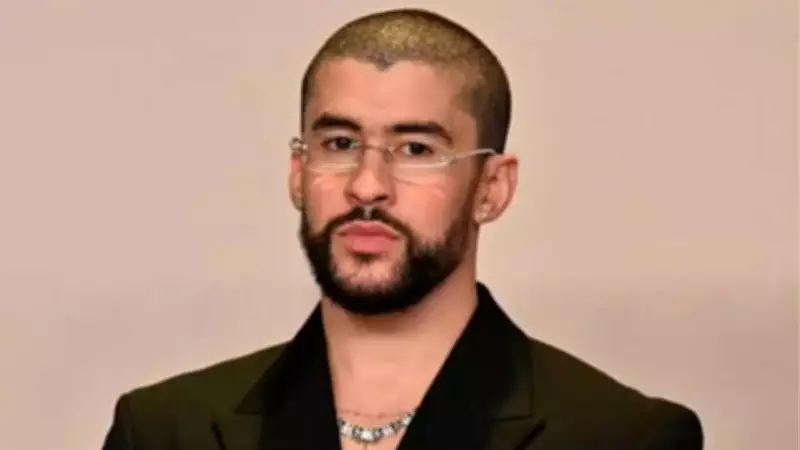
Bad Bunny's Historic Super Bowl Halftime Performance Rewrites Record Books
The most significant moment of Super Bowl 2026 arrived not during a dramatic touchdown or a game-winning play, but in the electrifying space between halves. This year's Super Bowl halftime show achieved something unprecedented in the event's storied history, creating a cultural milestone that resonated far beyond the football field.
Record-Shattering Viewership Numbers
According to official post-game data from Super Bowl LX, Bad Bunny's halftime performance captivated an astonishing 135.4 million viewers across television broadcasts and digital streaming platforms. This staggering figure establishes a new all-time viewership record for Super Bowl halftime shows, surpassing every previous musical performance in the event's history.
The achievement becomes even more remarkable considering it occurred during the most-watched annual sporting event in the United States. Nielsen ratings provided by the NFL confirm that the halftime segment reached higher peak viewership than any previous Super Bowl musical performance, demonstrating extraordinary audience engagement.

A Cultural Milestone in American Sports
What made this performance truly historic was Bad Bunny's unwavering commitment to his artistic identity. The Puerto Rican superstar delivered his entire set exclusively in Spanish, marking the first time a halftime show had been performed entirely in a language other than English at this monumental scale.
Rather than adapting his style for the Super Bowl audience, Bad Bunny transformed the stage into a celebration of Latin music, culture, and energy. For millions of viewers, this represented more than entertainment—it signified meaningful cultural representation on America's grandest sports platform.
Cross-Cultural Appeal and Audience Response
The record-breaking viewership numbers reveal Bad Bunny's remarkable cross-cultural appeal. While Latino fans naturally embraced the performance, viewership data indicates strong engagement across diverse demographic groups, proving that language presented no significant barrier to enjoyment.
Audience metrics showed millions of viewers remained tuned in throughout the halftime show rather than switching channels, while social media engagement spiked dramatically. Bad Bunny trended across multiple digital platforms during and after the performance, generating unprecedented online conversation.
Political Reactions and Cultural Conversation
The performance sparked immediate political commentary, most notably from former U.S. President Donald Trump, who criticized the show on social media platforms. His comments questioning the performance's appropriateness for young viewers circulated widely online, generating additional discussion about the cultural significance of the moment.
However, the overwhelming viewership numbers and positive audience response presented a compelling counter-narrative to any criticism. The performance's success demonstrated that cultural authenticity could resonate powerfully with mainstream American audiences.
Redefining Success Metrics
In the context of the Super Bowl, where viewership numbers represent the ultimate measure of success, Bad Bunny's performance achieved something extraordinary. By attracting the largest halftime audience in history while maintaining complete artistic integrity, the artist didn't merely succeed—he fundamentally expanded the possibilities for what a Super Bowl halftime show could represent.
The 2026 halftime show will be remembered not just for its record-breaking numbers, but for demonstrating how cultural authenticity can create powerful connections across diverse audiences on America's biggest sports stage.