Bhutanese Trade Department Contradicts Indian Ministry's Denial
The Royal Government of Bhutan's Department of Trade has confirmed that Indian Oil Marketing Companies (OMCs) made a verbal offer to supply E20 petrol to Bhutan, directly contradicting a denial issued by India's Ministry of Petroleum and Natural Gas. The official response from the Department of Trade, released on July 5, 2026, states that a verbal offer was indeed made, and the Department subsequently requested OMCs to continue supplying normal petrol instead.
Conflicting Statements Emerge
Earlier on July 5, the Ministry of Petroleum and Natural Gas posted on X (formerly Twitter) that claims of Bhutan declining an offer to import E20 petrol from India were incorrect. The Ministry asserted that no such offer had been made by OMCs and that there was no proposal for export of E20 petrol to Bhutan. However, journalist Tenzing Lamsang and The Bhutanese news outlet produced written evidence from Bhutan's Department of Trade, which explicitly stated: "A verbal offer was made and OMCs were requested to continue supplying normal petrol."
Official Documents Reveal Verbal Offer
In a series of posts on X, Tenzing Lamsang shared the Department of Trade's written response, which he obtained through official channels. The response confirms that Indian OMCs verbally proposed supplying E20 petrol, but Bhutan's trade officials asked for normal petrol to be maintained. The Bhutanese newspaper also published the same official letter, urging the Ministry of Petroleum to correct its information.

According to the Department of Trade's statement, the verbal offer was made without any formal written proposal. The Ministry of Petroleum's denial, therefore, appears to be based on the absence of a written offer, while Bhutan's account highlights that the offer was communicated verbally.
Implications for Bilateral Fuel Trade
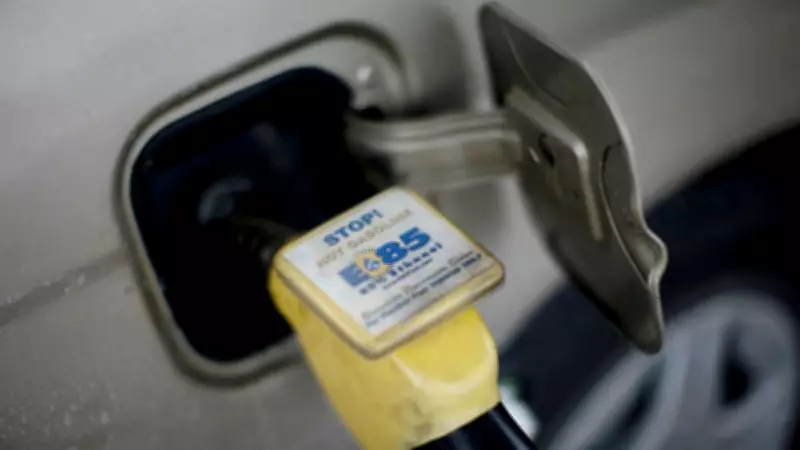
The dispute underscores a potential miscommunication between the two countries regarding fuel supply agreements. E20 petrol, which contains 20% ethanol, is part of India's push to blend ethanol with petrol to reduce emissions and cut oil imports. However, Bhutan's request for normal petrol suggests concerns about compatibility with its vehicles or infrastructure. The incident may prompt both governments to formalize procedures for such offers to avoid future confusion.