Alisha Chinai Breaks Silence on 1996 Anu Malik Harassment Case
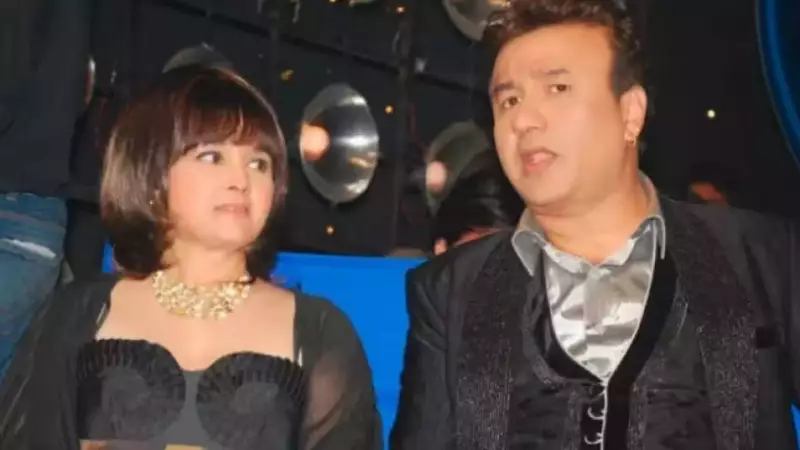
Singer Alisha Chinai has once again spoken publicly about the sexual harassment case she filed against renowned music composer Anu Malik back in 1996. The bold move, she reveals, resulted in her being ostracized by the Bollywood music industry during that period.
The Legal Battle and Industry Backlash
In her original lawsuit, Chinai had demanded Rs 26.60 lakh in compensation from Malik, accusing him of molestation. The composer vehemently denied all allegations and retaliated by filing a Rs 2 crore defamation suit against the singer. Both legal cases were eventually resolved through a mutual compromise settlement outside of court.
Reflecting on that difficult period, Chinai explained that her decision to speak out came with significant professional consequences. "I was shunned by the industry at the time," she recalled, highlighting how women who refused to remain silent often faced professional isolation.

Professional Reconciliation After a Decade
In a surprising turn of events, Alisha Chinai and Anu Malik reunited professionally in 2003 for the film Ishq Vishk, nearly a decade after their legal dispute. The singer disclosed that this reconciliation occurred after TIPS chairman Kumar Taurani persuaded her to move past the incident.
"He apologized and behaved very nicely after that," Chinai told Pinkvilla, adding that she genuinely believed Malik had changed his behavior over the years.
She also provided important clarification about the nature of the incident, emphasizing that "it was harassment, not assault." Chinai explained the distinction: "Assault is violent or forceful. I don't think that ever happened with me."
Taking a Stand Against Manipulation
Addressing her reputation for being "opinionated" or "difficult," Chinai argued that these labels are often unfairly applied to women who refuse to be controlled or manipulated within the industry.
"They can't manipulate you, they can't fool you. I can see through the bullshit and I walk off. If something isn't ethical, I'm not okay with it," she stated firmly.
The singer acknowledged that her honesty sometimes resulted in professional backlash, but she never worried about losing work because Bollywood playback singing was always a "parallel career" for her. "It was not my rozi-roti. I had my albums. Made in India gave me that financial independence," she explained, referencing her massively successful solo album.
Inspiring the Next Generation During #MeToo
Chinai revealed that when she first spoke out in the 1990s, she received no support from her peers. However, decades later during the 2018 #MeToo movement - when singers Sona Mohapatra and Shweta Pandit also accused Malik of inappropriate behavior - numerous women approached her for support and guidance.
"When I did it, nobody stood by me. Later everyone said, 'Ma'am, please support us,' and I wondered - where were you all these years?" she recalled. Despite this, she chose to support them, recognizing the importance of female solidarity.
Chinai believes her early stand gave younger women the confidence to speak out about their own experiences. "At least they're not taking it lying down anymore. They get that confidence - 'Oh, she did it, I can say it too,'" she observed, expressing pride in how the industry's response to harassment has evolved over time.
The singer's journey from filing a case in 1996 to reconciliation in 2003, and now reflecting on its broader impact, represents a significant chapter in Bollywood's ongoing conversation about workplace behavior and women's empowerment in the entertainment industry.