Australian Activist Claims US Entry Denied Over Billie Eilish Home Occupation Joke
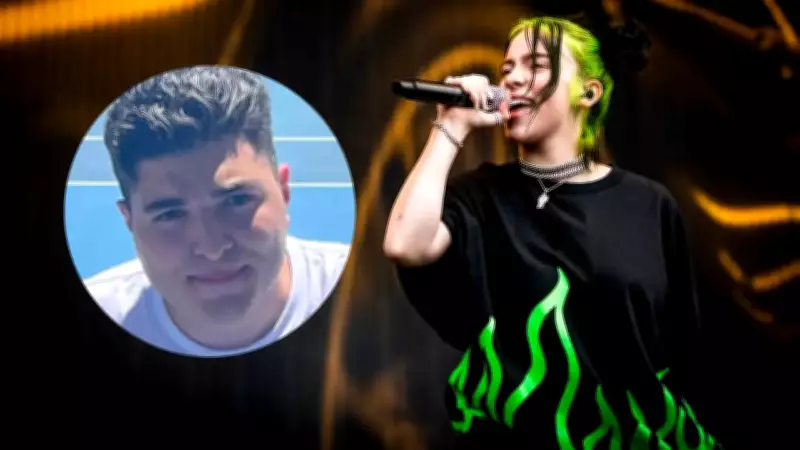
Australian activist and self-described performance artist Drew Pavlou has alleged that United States authorities denied him entry into the country after he posted online about plans to "occupy" pop superstar Billie Eilish's Malibu beachfront mansion. Pavlou, without providing any substantiating evidence, has blamed the singer's legal team for the immigration decision.
30-Hour Ordeal at LAX Immigration
In a series of posts on the social media platform X, Pavlou detailed spending approximately 30 hours at Los Angeles International Airport (LAX) immigration trying to convince officials that his online declarations were merely a humorous stunt and not a genuine threat. "I spent 30 hours at LAX immigration trying to explain that my s*** posts were just a joke and that I didn't actually plan to personally move into her mansion," Pavlou wrote.
He further claimed that while most immigration agents were understanding and even amused by the situation, the final outcome was a denial of entry. It is crucial to note that Newsweek reported a community note on his post clarified he was denied entry, not deported—a significant legal distinction under U.S. immigration law. There remains no public evidence connecting the decision directly to Billie Eilish or her representatives.

Origins in Grammy Awards Speech Controversy
The chain of events appears to have been triggered by Billie Eilish's remarks during the 68th Grammy Awards ceremony. While accepting an award, the singer stated, "No one is illegal on stolen land." She added, "It's really hard to know what to say and what to do right now... we need to keep speaking up and keep protesting. Our voices really do matter."
Her comments, intended as a statement on social justice, sparked immediate backlash online. Critics pointed out that her own multi-million dollar home in Malibu is situated on land historically belonging to the Tongva tribe. The San Gabriel Band of Mission Indians Gabrieleno Tongva provided context, stating, "We appreciate the opportunity to provide clarity... As the First People of the greater Los Angeles basin, we do understand that her home is situated in our ancestral land."
Pavlou's "Performance Art" Escalation
In response to the controversy, Drew Pavlou initiated what he calls a piece of "performance art." On February 2, he posted on X, "Exciting news: I've decided to move into Billie Eilish's USD 6 million Malibu beachfront mansion because no human being is illegal on stolen land. Thank you Billie for your generosity." He also attempted to crowdfund this purported plan.
The situation escalated on February 15 when Pavlou posted about his immigration ordeal, claiming, "Billie Eilish got me deported from the US - I think her legal team contacted DHS." This post garnered over 14 million views and even drew a reply from tech billionaire Elon Musk, who commented, "Most ironic outcome is most likely."
In a later post, Pavlou framed the entire incident as a successful artistic statement, writing, "Honestly amazing performance art, I somehow managed to get Billie Eilish and American liberals to endorse border control and deportations. The pain was worth it for the meme." Billie Eilish has maintained public silence on the matter, with no official response from her or her team reported.
Background on Billie Eilish
Billie Eilish Pirate Baird O'Connell, born December 18, 2001, in Los Angeles, is a globally renowned American singer-songwriter. She rose to fame in 2015 with her breakout single "Ocean Eyes," created with her brother and producer Finneas O'Connell. Her debut studio album, When We All Fall Asleep, Where Do We Go?, achieved number-one status in numerous countries and featured the chart-topping hit "Bad Guy."
Eilish is a multi-award-winning artist, having secured several Grammy Awards and Academy Awards for her musical contributions, including the themes for James Bond film No Time to Die and the blockbuster movie Barbie.

The incident highlights the complex intersection of celebrity, social media activism, and immigration enforcement, raising questions about the real-world consequences of online statements framed as satire or performance art.