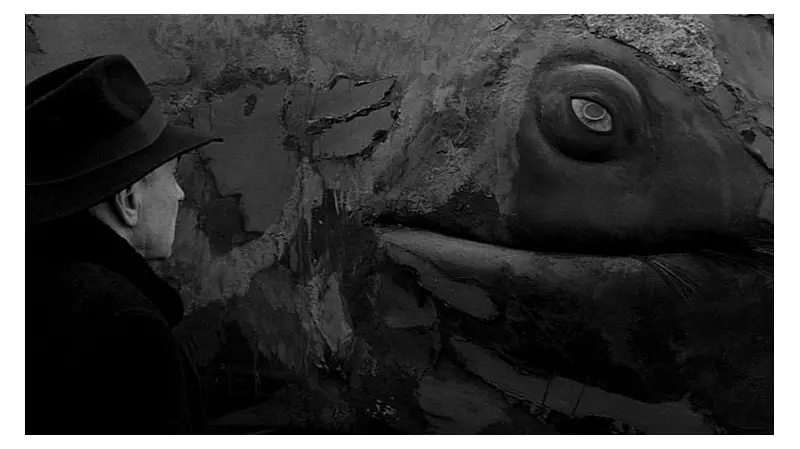
The 55th International Film Festival of India (IFFI) in Goa witnessed a moment of profound cinematic reflection as it bestowed its prestigious Satyajit Ray Lifetime Achievement Award upon the legendary Hungarian filmmaker, Béla Tarr. The master auteur, known for his stark, black-and-white, and philosophically dense films, used the platform not for self-congratulation but to deliver a powerful treatise on the very essence of cinema. For Tarr, cinema remains an enduring enigma, a form of art whose true power lies in its mystery and its unwavering capacity to be a political act.
The Philosophy of an Enigma: Tarr's Cinematic Creed
In a masterclass that captivated attendees, Béla Tarr articulated a vision of filmmaking that defies commercial formulas and simplistic narratives. He emphatically stated that if one can easily explain their film, then they simply should not make it. This cornerstone of his philosophy elevates cinema to a realm of necessary mystery. Tarr believes that the medium's strength is in posing complex questions about the human condition, not in providing neat, digestible answers. His own filmography, including monumental works like Satantango (1994) and The Turin Horse (2011), is a testament to this belief, characterized by long, mesmerizing takes, minimalist dialogue, and a palpable, often bleak, atmosphere that invites deep contemplation rather than passive consumption.
Tarr connected this artistic ethos directly to his political stance. He argued that genuine cinema is inherently political because it engages with reality and truth. "If you are not political, you are not a filmmaker," he declared, clarifying that this does not mean making propaganda films. Instead, it means having a clear perspective on the world and embedding that consciousness into the fabric of the film. For him, the political dimension is not about overt messaging but about the responsibility of the artist to reflect and interrogate the times they live in.

A Legacy Honoured: The Satyajit Ray Award and Tarr's Indian Connection
The decision by IFFI to honour Béla Tarr with the Satyajit Ray Lifetime Achievement Award is a significant recognition of global arthouse cinema. The award, named after India's own cinematic maestro, creates a symbolic bridge between two filmmakers celebrated for their humanism and distinctive visual language. Tarr expressed his deep respect for Ray's work, acknowledging the profound connection he feels with the Indian director's approach to storytelling and character.
This edition of IFFI, held in Goa, has placed a strong focus on Hungarian cinema, showcasing it as the 'Country of Focus'. Tarr's presence as the flagbearer of this focus underscores his monumental status. The festival is screening a retrospective of his films, allowing Indian audiences to experience his unique cinematic language firsthand. This curated selection offers a rare deep dive into a body of work that has consistently challenged and expanded the boundaries of the medium.
The Auteur's Warning and Enduring Influence
Beyond celebrating his past work, Béla Tarr offered critical insights into the current state of global cinema. He issued a stark warning about the dangers of technology when it lacks a human soul, specifically critiquing certain applications of artificial intelligence in the creative process. For Tarr, the essence of filmmaking is irreducibly human—rooted in personal vision, emotional truth, and the tactile relationship between the director and the world.
Despite announcing his retirement from feature filmmaking over a decade ago, Tarr's influence is more potent than ever. He remains an active teacher and mentor, running his film.factory school to nurture the next generation of filmmakers who share his commitment to cinema as a serious art form. His masterclass at IFFI 2024 served as exactly that kind of mentorship—a passing of the torch of a particular, uncompromising artistic ideology. He concluded with a resonant message: cinema is about showing the reality of life, with all its complexities and contradictions, and in doing so, it performs its most vital political function.

The honouring of Béla Tarr at IFFI 2024 thus transcended a mere award ceremony. It became a platform for a crucial dialogue about the soul of cinema. In an era of algorithmic content and fleeting attention spans, Tarr's unwavering defense of cinema as a profound, enigmatic, and politically essential art form stands as a powerful reminder of the medium's highest potential.