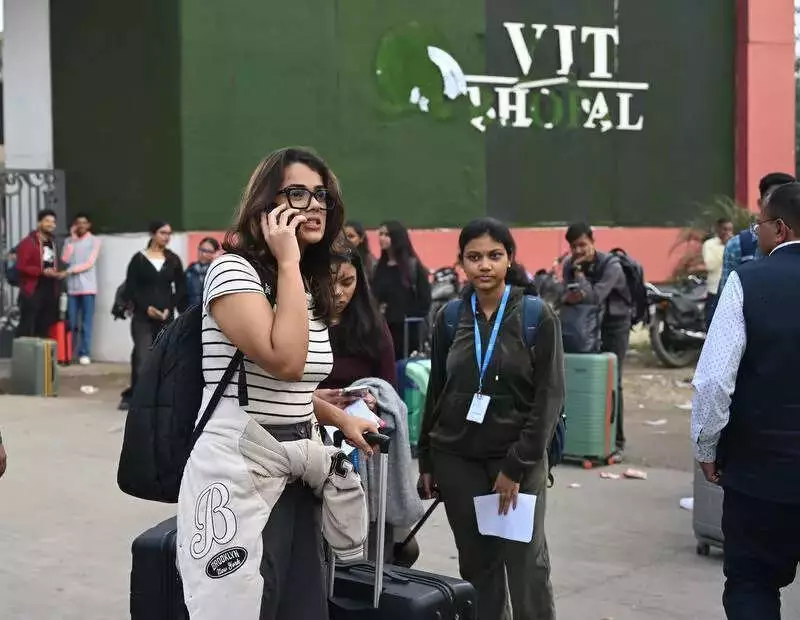
The Food and Drug Department has uncovered significant food safety lapses at VIT Bhopal University, putting the institution under intense scrutiny. This action followed numerous complaints from students regarding the quality of meals served within the university's hostels and cafeterias.
Investigation Reveals Widespread Non-Compliance
Earlier this month, officials collected a total of 18 food samples from various on-campus dining facilities for laboratory analysis. The results were alarming, with six samples failing to meet the mandatory safety and hygiene standards set by the Food Safety and Standards Authority of India (FSSAI).
According to the authorities, the failed samples, which included items like rice, rajma, and maida, exhibited serious discrepancies. The primary issues identified were contamination, improper storage conditions, and the use of substandard ingredients. These violations pose a direct and potential health risk to the students, faculty, and staff who consume the food.

Official Notice and Potential Consequences
In response to the findings, the Food and Drug Department is drafting an official notice to the VIT Bhopal University administration. Food and Drug Controller Dinesh Shrivastava confirmed the development, stating the notice will demand a detailed explanation and immediate corrective measures.
Sources familiar with the investigation indicate that the notice will instruct the university to address all identified violations and submit a compliance report within a specified timeframe. Failure to adhere to these directives could result in stricter enforcement actions, including financial penalties or even a temporary suspension of all food services on the campus.
University Response and Community Concern
The findings have sparked considerable anxiety among students and their parents, with many calling for greater transparency in the university's food procurement and quality assurance systems.
However, in a statement emailed to the media on Saturday, the VIT Bhopal administration claimed it has not yet received any official report or communication from the authorities regarding the failed samples. The university attributed the food supply to external catering vendors.
The administration's email further stated, "The University remains supportive of any action required from its end. For us, the safety and well-being of students, faculty, and staff remain our highest priority. We are committed to taking any corrective steps, if required, following the recommendations of the authorities."
This incident highlights critical gaps in campus food safety management and underscores the need for rigorous, ongoing inspections to protect student health.