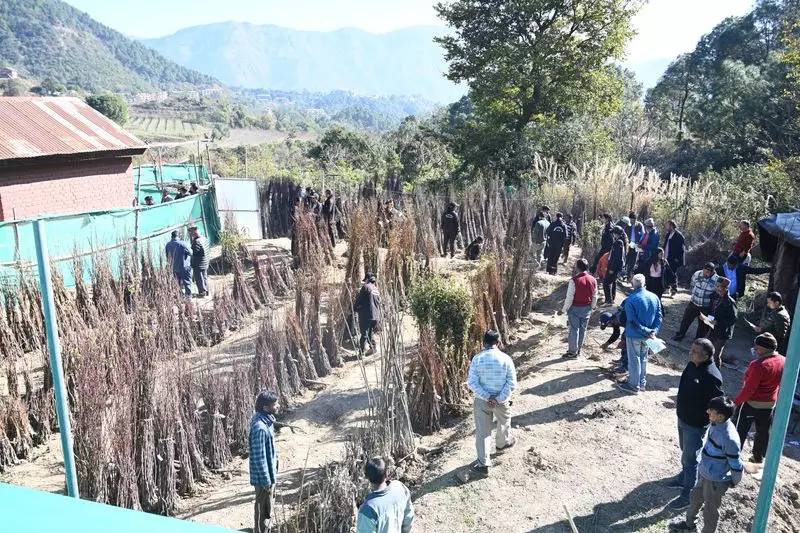
The annual plant sale at Dr Yashwant Singh Parmar University of Horticulture and Forestry in Nauni, Solan, kicked off with an overwhelming response from farmers, gardening enthusiasts, and the general public. The first day of the sale witnessed a remarkable footfall, resulting in the sale of a staggering over 19,800 plants across various categories.
A Bounty of Choices for Buyers
The university has made available a diverse and extensive range of planting material to cater to different needs. The sale features a rich collection of fruit plants, ornamental plants, and forestry species. Among the fruit plants, buyers can find high-quality saplings of apple, pear, peach, plum, kiwi, and various types of nuts. The ornamental section is blooming with flowering plants, seasonal flowers, and exotic species perfect for home gardens. For those interested in forestry and environmental conservation, the sale includes several important tree species.
This initiative is not just a commercial activity but a significant extension effort by the university to promote horticulture and forestry in the region. By providing certified and healthy planting material directly from its nurseries, the university ensures that farmers and gardeners get the best genetic stock, which is crucial for productivity and sustainability.

Details of the Sale and Future Prospects
The plant sale is a much-anticipated annual event and will continue until May 31, 2024. The plants are available for purchase from the university's main campus in Nauni. The robust sales figure from the very first day indicates a growing interest in horticulture and a trust in the quality provided by the premier institution.
Officials from the university expressed satisfaction with the public's enthusiastic participation. They highlighted that such events bridge the gap between advanced agricultural research and its practical application at the grassroots level. The revenue generated from the sale is also reinvested into the university's research and development activities, creating a virtuous cycle of innovation and dissemination.
The successful first day sets a positive tone for the remaining duration of the sale. It underscores the importance of such direct-to-consumer initiatives by agricultural universities in empowering the farming community and encouraging green cover expansion across Himachal Pradesh and neighboring states.