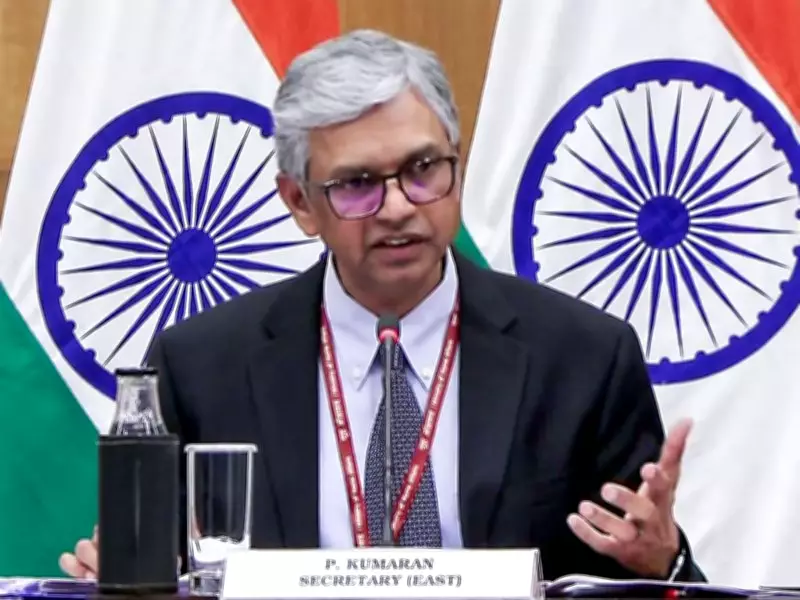
Nalanda University Inaugurates Centre for Southeast Asian Studies
In a landmark development for academic and cultural diplomacy, Nalanda University has officially inaugurated its new Centre for Southeast Asian Studies. This initiative underscores India's commitment to fostering deeper intellectual and cultural ties with Southeast Asian nations, building on historical connections that date back centuries.
Strengthening Academic and Cultural Bonds
The establishment of this centre is poised to enhance research, education, and dialogue on Southeast Asian affairs. It will serve as a hub for interdisciplinary studies, focusing on areas such as history, politics, economics, languages, and cultural heritage of the region. By promoting scholarly exchanges and collaborative projects, the centre aims to bridge gaps in understanding and create a platform for mutual learning.
This move aligns with India's broader strategic interests in the Indo-Pacific region, emphasizing soft power through education and cultural engagement. The centre is expected to attract students and researchers from across the globe, contributing to Nalanda University's reputation as a premier institution for Asian studies.

Historical Context and Modern Relevance
Nalanda University, with its ancient roots as a renowned centre of learning, is uniquely positioned to lead this initiative. The new centre leverages this legacy to address contemporary issues facing Southeast Asia, including:
- Regional security and geopolitical dynamics
- Economic integration and trade policies
- Environmental challenges and sustainable development
- Cultural preservation and digital humanities
By integrating traditional knowledge with modern research methodologies, the centre seeks to offer nuanced insights that can inform policy and practice in both India and Southeast Asian countries.
Future Prospects and Global Impact
The inauguration of the Centre for Southeast Asian Studies is expected to yield several long-term benefits. It will facilitate academic partnerships with universities in Southeast Asia, enabling joint degree programs, faculty exchanges, and international conferences. Additionally, the centre plans to develop digital archives and publications to disseminate research findings widely.
This initiative not only enriches Nalanda University's academic portfolio but also strengthens India's role as a key player in regional education networks. As global attention shifts towards Asia, such centres are crucial for fostering a deeper appreciation of the region's complexities and contributions to world history and culture.