Kerala High Court Seeks Clarity on Governor's Role in University VC Appointment
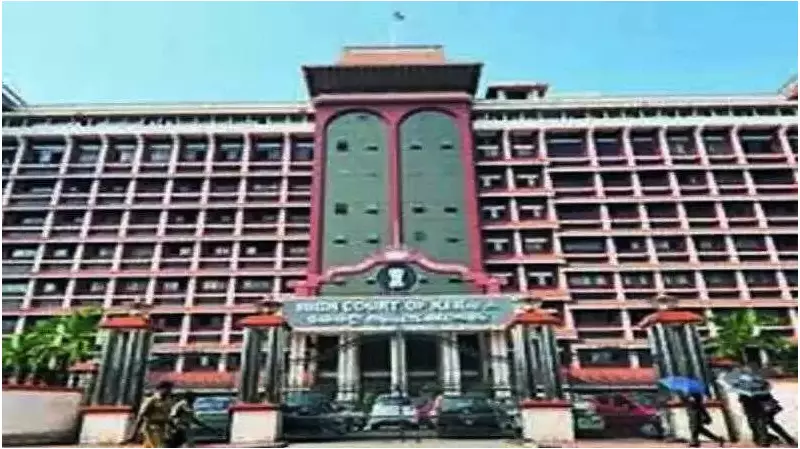
The Kerala High Court raised significant questions on Monday about the legal authority behind the governor's secretariat issuing notifications for vice-chancellor appointments at Calicut University. Justice Bechu Kurian Thomas, presiding over the bench, expressed concerns about potential ambiguity in the appointment process.
Court Questions Constitutional Authority
Justice Thomas observed orally that if the governor's secretariat lacks proper authorization, the state government's executive power should naturally apply. The court emphasized that without clear legal provisions, confusion would persist about the state government's role in appointing the chancellor.
The judicial scrutiny came during consideration of a petition filed by the Kerala state government. The government challenged two notifications issued by the governor acting as chancellor. These notifications involved forming a search-cum-selection committee and inviting applications for the vice-chancellor position at Calicut University.

Current Status of Legal Challenge
Following the state government's objections, the search-cum-selection committee's composition has been adjusted to comply with statutory requirements. However, the legal battle continues over the notification inviting applications for the vice-chancellor post.
The central question before the court remains whether the university chancellor possesses the authority to issue such application invitations, or whether this responsibility belongs to the state government. The challenged notification was issued by the search committee's nodal officer on behalf of the chancellor.
During proceedings, the court specifically questioned whether the statute grants the nodal officer power to issue such notifications. This inquiry adds another layer to the ongoing legal examination.
Additional Legal Proceedings
In a separate development, Dr P Rasheed Ahamed filed an impleading petition seeking to join the case. The state government opposed this petition, leading to further judicial consideration.
The court has scheduled the next hearing for January 27. This adjournment allows the state government time to file objections against Dr Ahamed's impleading petition. Simultaneously, the chancellor has been directed to submit a counter-affidavit addressing the legal questions raised.
This case highlights ongoing tensions between state authorities and gubernatorial offices in higher education administration. The outcome could establish important precedents for university governance structures across Kerala.