Chinese Universities Leap Ahead in Global Academic Rankings
Premium Chinese universities are making significant gains in global rankings that measure academic output. This surge comes as many American institutions, including Harvard, experience a decline in their positions. Harvard recently dropped to number three on the Leiden Rankings, a list focused on research publications. Other US schools are falling farther behind their international peers.
Harvard's Slide and China's Rise
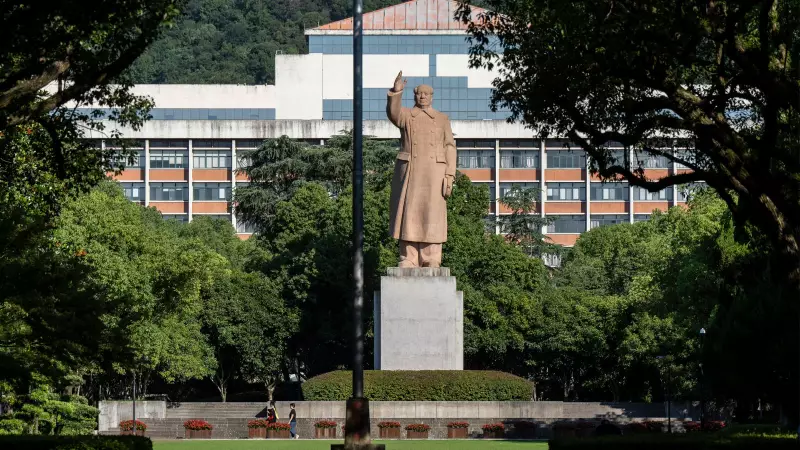
Harvard University, once the top research producer globally, now ranks third in the Leiden Rankings from the Centre for Science and Technology Studies at Leiden University in the Netherlands. Zhejiang University in China has taken the first spot. Seven other Chinese universities are in the top ten. This shift highlights a broader trend where Chinese institutions are rapidly advancing in research volume and quality.
Phil Baty, chief global affairs officer for Times Higher Education, notes a big shift in global higher education dominance. He explains that US schools are not getting worse, but other nations are progressing faster. Chinese universities have increased their research production dramatically over the past two decades.

Factors Behind the Trend
Several factors contribute to this change. China has invested billions of dollars into its universities. The country actively attracts foreign researchers with new visa programs. President Xi Jinping emphasizes scientific dominance as key to national power. In contrast, the Trump administration has cut research funding for American schools. These reductions could accelerate the relative decline of US institutions.
Mark Neijssel, director of services for the Centre for Science and Technology Studies, states that China is building substantial research capacity. Chinese researchers now focus more on publishing in English-language journals, which boosts their global citations. Rafael Reif, former president of MIT, praises the outstanding quality and quantity of papers from China.
Impact on US Universities
American universities face multiple challenges. Federal grant cuts threaten research projects. Travel bans and anti-immigration policies have reduced international student numbers by 19% in August 2025 compared to the previous year. This decline could harm the prestige and rankings of US schools if top talent goes elsewhere.
Harvard and other institutions have warned about the devastating effects of funding reductions. A federal judge ordered the resumption of funding to Harvard after cuts, but future grants may be curtailed. The American Association of University Professors has filed lawsuits to contest some cuts.
Broader Ranking Perspectives
Other ranking systems show similar trends. The Nature Index places Harvard first, followed by ten Chinese schools. The University Ranking by Academic Performance includes four Chinese universities in the top ten. However, US schools perform better in rankings with broader criteria, such as reputation and finances. Times Higher Education ranks Oxford University first globally for 2026, with American schools holding seven of the top ten spots.
Farther down the list, many US universities are slipping. Sixty-two American schools ranked lower this year, while only nineteen rose. Chinese institutions like Peking University and Tsinghua University have climbed significantly, now just below the top ten.
Long-Term Implications
Experts warn that the current pressures on US research may not show immediate effects in rankings due to time lags. Alex Usher, president of Higher Education Strategy Associates, notes that research publications reflect work started years ago. Despite China's strengths in fields like chemistry, the US and Europe remain dominant in areas such as medical sciences.
University rankings influence student choices, academic careers, and government funding. Alan Ruby from the University of Pennsylvania explains that rankings serve as signals for attracting global talent. Paul Musgrave of Georgetown University highlights the importance of university quality for national power, citing historical examples.
This reordering in global rankings signals a shift in the academic landscape, with Chinese universities gaining ground as US institutions grapple with internal and external challenges.