In a significant development aimed at resolving a protracted legal and administrative deadlock, Kerala Governor Arif Mohammed Khan has informed the Supreme Court of India that a consensus has finally been reached regarding the appointment of Vice-Chancellors (VCs) in universities across the state. This breakthrough comes after months of intense friction between the Governor's office and the state's Left Democratic Front (LDF) government.
The Supreme Court Submission and the Agreement
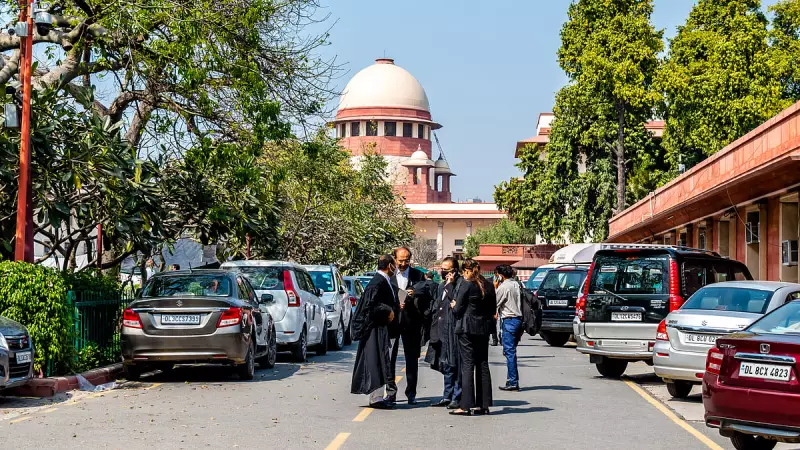
The Governor's counsel, Senior Advocate Ranjit Kumar, conveyed this crucial information to a bench comprising Justice Surya Kant and Justice K V Viswanathan on Tuesday, May 21. The submission was made during a hearing related to a petition filed by the Kerala government, which had challenged the Governor's authority in delaying the appointments.
The core of the consensus involves the formation of a search-cum-selection committee that will be responsible for identifying and recommending candidates for the vacant VC positions. This committee's composition is designed to balance various interests and ensure a fair process. According to the agreement, the committee will consist of:

- One nominee appointed by the Governor, who serves as the Chancellor of the state universities.
- One nominee appointed by the state government.
- One nominee appointed by the University Grants Commission (UGC).
This tripartite structure is intended to bring transparency and credibility to the selection process, addressing concerns from all stakeholders. The Governor's counsel assured the Supreme Court bench that the names for the committee would be finalized and submitted very soon, paving the way for the actual appointment procedures to begin.
Background of the Conflict
The path to this consensus was fraught with public disputes and legal challenges. The conflict primarily stemmed from the Governor's reluctance to approve the list of VC candidates recommended by the state government. Governor Arif Mohammed Khan had raised serious objections, alleging that the previous appointment processes did not adhere to the mandates of the University Grants Commission regulations.
This stalemate left several key universities in Kerala, including the University of Kerala and the Technological University, without permanent Vice-Chancellors for an extended period. The administrative vacuum raised concerns about the smooth functioning of higher education institutions in the state. The state government, led by Chief Minister Pinarayi Vijayan, had vehemently argued that the Governor was overstepping his bounds and causing unnecessary delays in vital appointments, ultimately moving the Supreme Court to seek a resolution.
The Supreme Court had previously urged both parties to find a mutually agreeable solution, emphasizing the need to prioritize the welfare of the academic institutions and students over political disagreements. The consensus reported on May 21 is a direct outcome of those judicial nudges and subsequent behind-the-scenes negotiations.
Implications and the Way Forward
The agreement marks a critical step towards depoliticizing the appointment process for the top academic posts in Kerala's universities. By involving a UGC nominee, the process gains an element of national academic standards and oversight. The consensus model, if implemented smoothly, could set a precedent for resolving similar tussles between state governments and Governors in other parts of the country.
For the universities involved, the resolution promises much-needed stability. A permanent Vice-Chancellor is crucial for long-term academic planning, administrative decisions, and upholding the institution's governance. The prolonged use of temporary or in-charge arrangements often hampers decisive leadership and strategic vision.
The Supreme Court bench has scheduled the next hearing on the matter for July, by which time the names of the committee members are expected to be formalized. The court will likely monitor the progress to ensure the agreement is executed in letter and spirit. All eyes will now be on the swift formation of the search-cum-selection committees and the subsequent recommendations for the Vice-Chancellor posts.

This development is being viewed as a victory for cooperative federalism and constitutional propriety. It demonstrates that even in cases of severe disagreement, dialogue and a structured framework can lead to solutions that uphold the integrity of public offices and, most importantly, serve the larger interest of the education sector.