Kashmir University Launches Major Manuscript Digitization Project
Centuries of India's rich manuscript heritage are now set for a comprehensive digital revival. The University of Kashmir has established a specialized cluster centre to lead this ambitious preservation effort. This initiative marks a significant step in safeguarding historical documents that span multiple languages and scripts.
Five-Year Mandate for Cultural Preservation
The newly formed cluster centre has received a clear five-year mandate to undertake this crucial work. Their responsibilities include identifying valuable manuscripts, documenting their contents, preserving fragile materials, and creating digital copies for future generations. This structured approach ensures systematic handling of these precious cultural artifacts.
Government bodies and semi-government institutions across the region hold numerous manuscripts that will benefit from this project. These documents represent important historical records that require careful attention and modern preservation techniques.

Focus on Multiple Scripts and Languages
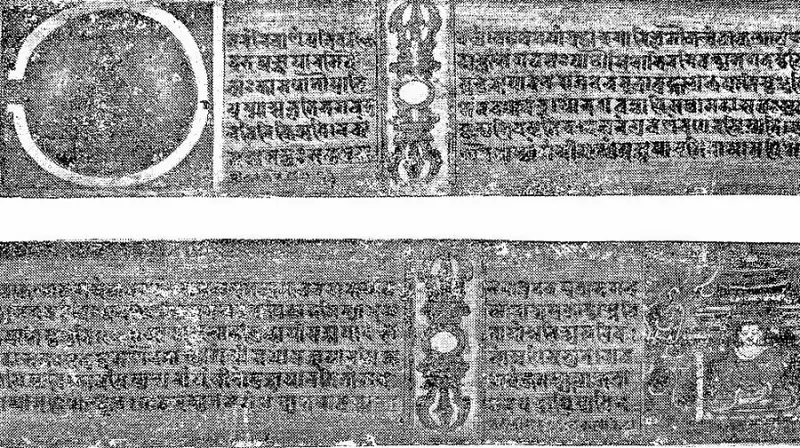
The digitization project specifically targets manuscripts written in four distinct scripts: Sharda, Sanskrit, Persian, and Arabic. Each script represents different cultural and historical traditions that have flourished in the region over centuries.
Sharda script manuscripts hold particular significance as they represent an important part of Kashmir's literary heritage. The preservation of these documents will help maintain cultural continuity and academic access to historical texts.
University officials emphasize that this project goes beyond simple digitization. The comprehensive approach includes proper documentation of each manuscript's provenance, condition assessment, and appropriate conservation measures before digital capture.
Modern Technology Meets Ancient Texts
The cluster centre will employ advanced digitization technologies to create high-quality digital reproductions of these manuscripts. This process involves careful handling of fragile materials and specialized equipment to capture text and illustrations without damaging original documents.
Digital preservation offers multiple benefits for these historical texts. Researchers worldwide will gain access to materials that were previously difficult to study. The digital copies will also serve as backups in case of damage to original manuscripts from environmental factors or natural disasters.
This project represents a meaningful collaboration between academic institutions and government bodies. By working together, they can ensure that India's manuscript heritage receives the attention and protection it deserves for future generations.