High Court Intervenes in Haryana MBBS Expulsion Case
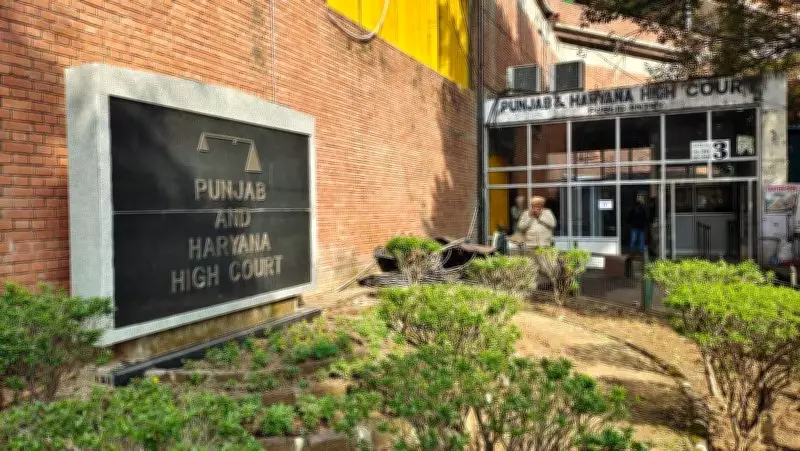
The Punjab and Haryana High Court has issued a significant directive in a case involving the expulsion of MBBS students from a medical college in Haryana. The court has ordered the Vice-Chancellor (VC) of the institution to provide a formal hearing to the students who were reportedly expelled due to alleged attendance deficiencies. This judicial intervention underscores the importance of due process and procedural fairness in academic disciplinary matters, particularly in the sensitive field of medical education.
Court's Emphasis on Procedural Justice
In its ruling, the High Court emphasized that the principles of natural justice must be upheld, even in academic settings. The students had approached the court challenging their expulsion, arguing that they were not given a proper opportunity to present their case or explain the circumstances surrounding their attendance records. The court noted that such disciplinary actions, which can have long-term impacts on students' careers and futures, require careful scrutiny and adherence to fair procedures.
The bench hearing the case pointed out that the college administration must ensure that any decision to expel students is preceded by a transparent and impartial hearing. This allows the affected individuals to defend themselves and provide any mitigating evidence. The court's directive aims to prevent arbitrary actions and protect students' rights, reinforcing the legal framework that governs educational institutions in India.

Background of the Expulsion
The expelled MBBS students were reportedly removed from the college for failing to meet the mandatory attendance requirements set by the medical council. Attendance norms are crucial in medical education to ensure that students gain adequate practical exposure and theoretical knowledge. However, the students contended that their absences were due to genuine reasons, such as health issues or family emergencies, which they claimed were not adequately considered by the college authorities.
This case highlights ongoing concerns about the rigid application of attendance rules without considering individual circumstances. In medical colleges, where the stakes are high, balancing discipline with compassion is essential. The High Court's intervention suggests a need for more nuanced approaches in handling such matters, potentially setting a precedent for similar cases across Haryana and other states.
Implications for Medical Education in Haryana
The court's order could have broader implications for medical education policies in Haryana. It may prompt colleges to review their disciplinary procedures and ensure they align with legal standards of fairness. This incident also raises questions about the support systems available for students facing academic challenges, such as counseling services or flexible attendance policies for valid reasons.
Experts in education law have noted that this ruling reinforces the judiciary's role in safeguarding students' interests against administrative overreach. As medical education is a critical sector for public health, maintaining transparency and justice in academic governance is vital. The Vice-Chancellor's compliance with the court's directive will be closely watched, as it could influence how similar disputes are resolved in the future.
In summary, the Punjab and Haryana High Court's decision to mandate a hearing for expelled MBBS students marks a pivotal moment in upholding procedural rights in Haryana's educational institutions. It serves as a reminder that even in strict academic environments, fairness and due process must prevail to protect students' futures and uphold the integrity of medical education.